
A tick in the backyard: Researchers track changing risks in Alaska
Ticks aren’t something many Alaskans expect to find close to home. They’re more often associated with trips to the Lower 48, where people and dogs can pick them up while hiking or playing outdoors.
Alaska is home to six native tick species, although researchers know relatively little about some of them.
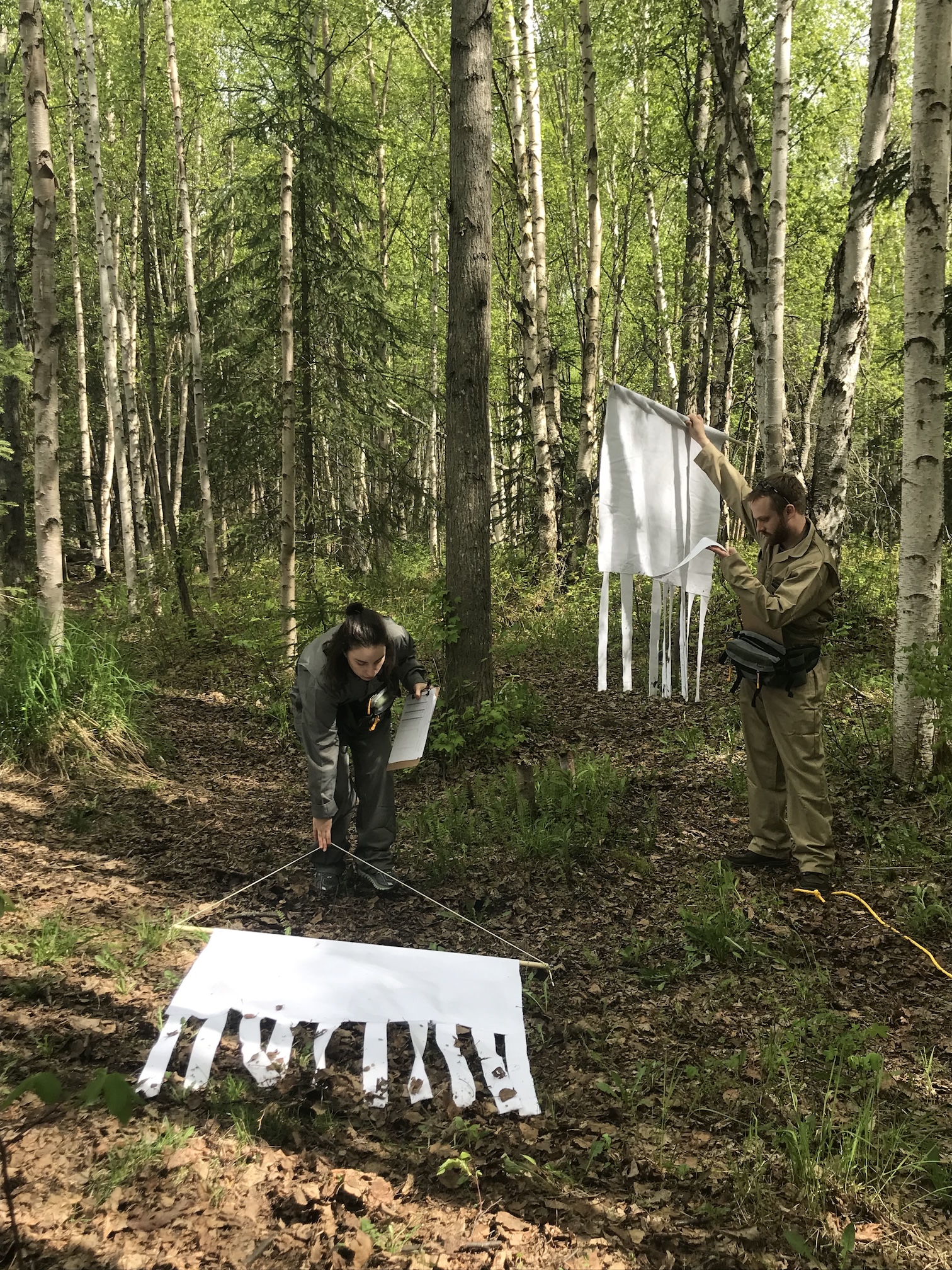
However, our homegrown ticks aren’t the main worry among Alaska experts. They are concerned about the arrival of ticks commonly found in other parts of the country, particularly species that can spread illnesses such as Lyme disease. Researchers are trying to figure out which ones are arriving, whether they can become established in Alaska and what risks they might pose to people and wildlife.
“We do have native ticks in Alaska,” said Christina Hansen, a veterinarian and associate dean for the Department of Veterinary Medicine at the University of Alaska Fairbanks. “We just don’t have the ticks common to dogs and cats in the Lower 48 states.”
One way researchers keep track is through the Alaska Submit-A-Tick Program, which allows veterinarians and members of the public to send ticks in for identification and testing.
In a 2023 report, Micah Hahn, an associate professor of environmental health at the University of Alaska Anchorage, stated that researchers identified 988 tick records representing 2,207 individual ticks in Alaska from 2010 through 2022.
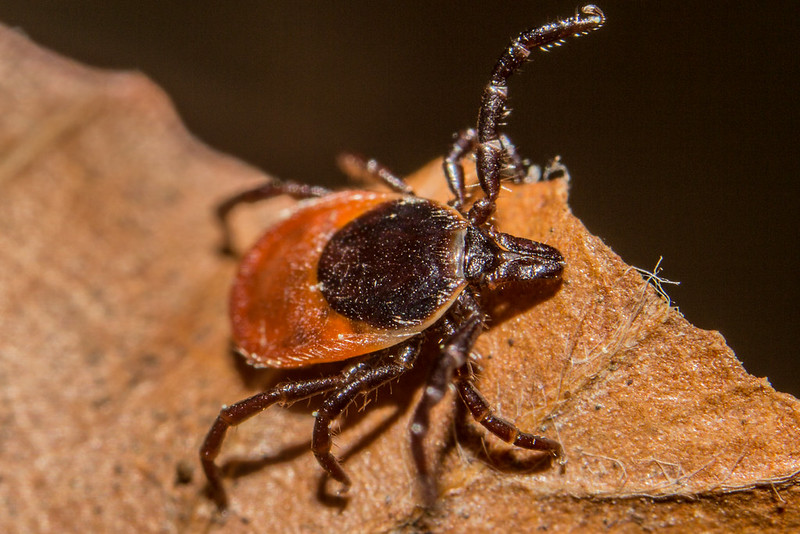
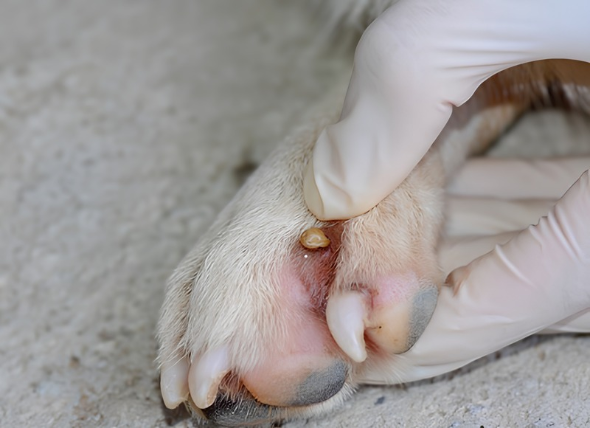
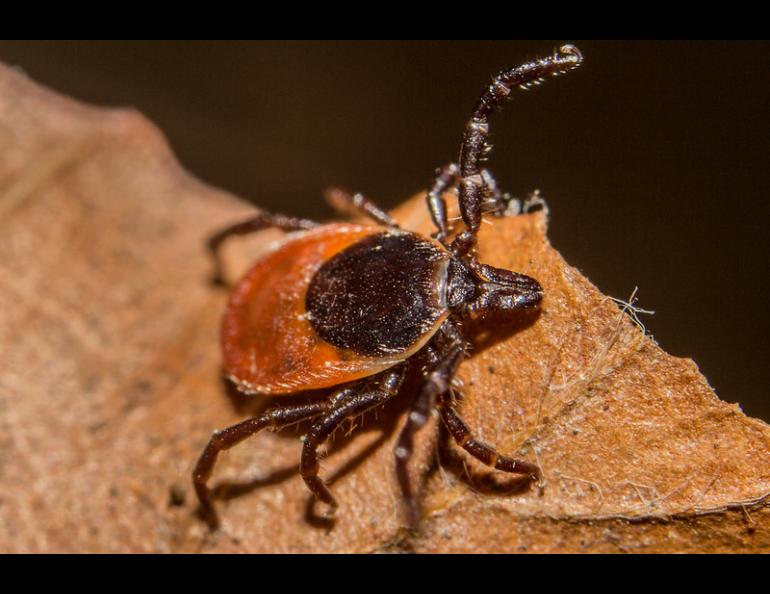
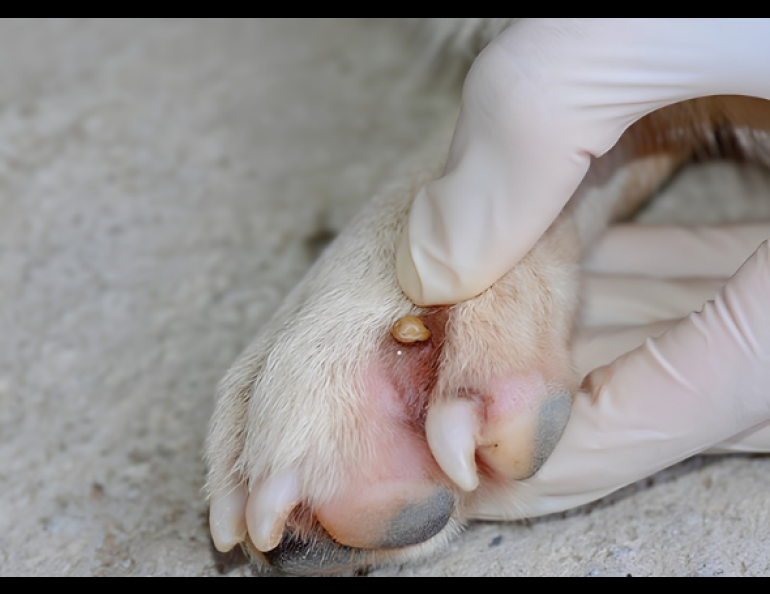
Among those submissions was a black-legged tick, Ixodes scapularis, found on a dog in Eagle River. The dog had recently traveled to rural upstate New York, where black-legged ticks are common. The tick carried Borrelia burgdorferi, the bacterium that causes Lyme disease.
The report said no other pathogens known to cause human disease were detected in the submitted ticks.
Hahn also studies the potential risks that ticks pose as they arrive in the state. Her research includes modeling where different tick species might be able to survive under current and projected climate conditions.
Researchers are paying particular attention to the western black-legged tick, Ixodes pacificus, a species found along the West Coast that can also transmit Lyme disease.
Climate and habitat models suggest that parts of Alaska, particularly Southeast, could provide suitable conditions for this tick species to thrive under projected future climates.
“In general, our models show that much of Southeast is suitable habitat for the western black-legged tick,” Hahn said, adding that the tick could likely overwinter in the region.
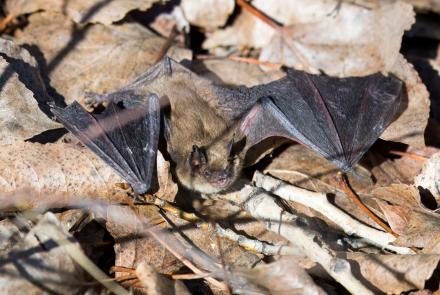
Changing winters could also affect other parasites that threaten Alaska’s wildlife.
Todd Brinkman, a wildlife ecologist at UAF, studies how environmental changes affect wildlife and the ways people interact with animals. He said changing conditions are raising questions about which parasites and diseases could persist in Alaska.
“What a really cold winter does, it kind of knocks down these parasites a little bit,” Brinkman said. “But if it’s a mild winter it doesn’t knock down that load. And then you start in the spring, and those parasites begin to reproduce and flourish.”
One concern for wildlife managers is the moose winter tick, Dermacentor albipictus, which has not yet been documented in Alaska. The parasites feed on moose blood. Heavily infested animals may scratch and rub against trees, damaging the insulating winter coats they need to survive cold temperatures. Some infestations can leave moose weakened and vulnerable to starvation.
Winter ticks have affected moose populations in parts of Canada and the Lower 48, and their potential spread into Alaska is something researchers are watching.
“[Winter ticks are] present in British Columbia. They’re present in the Yukon territory of Canada,” Brinkman said. “So these are some of the climate-related issues that we have to keep track of.”
Meanwhile, researchers have more questions than answers about Alaska’s native ticks.
They do know that tularemia, sometimes called rabbit fever, can spread through bites from infected ticks, as well as to humans through contact with infected animals. Ticks arriving from outside Alaska could also potentially contribute to the spread of diseases that are already present in local wildlife.
Brinkman recommended that people traveling with pets to areas where ticks are common discuss preventive measures with their veterinarian before they go.
If you find a tick on a pet, you should carefully remove it, placing it in a closed container (baggie, pill bottle, etc). Then contact your vet, who can help identify it and determine whether it should be sent to the Submit-A-Tick Program: https://bit.ly/submit-a-tick.
Since the late 1970s, the University of Alaska Fairbanks Geophysical Institute has provided the Alaska Science Forum column free in cooperation with the UAF research community. Amber McCain is a journalism student at UAF and is the editor-in-chief of The Sun Star.