



















































Home

Monitors

Real-time data from the world around you.

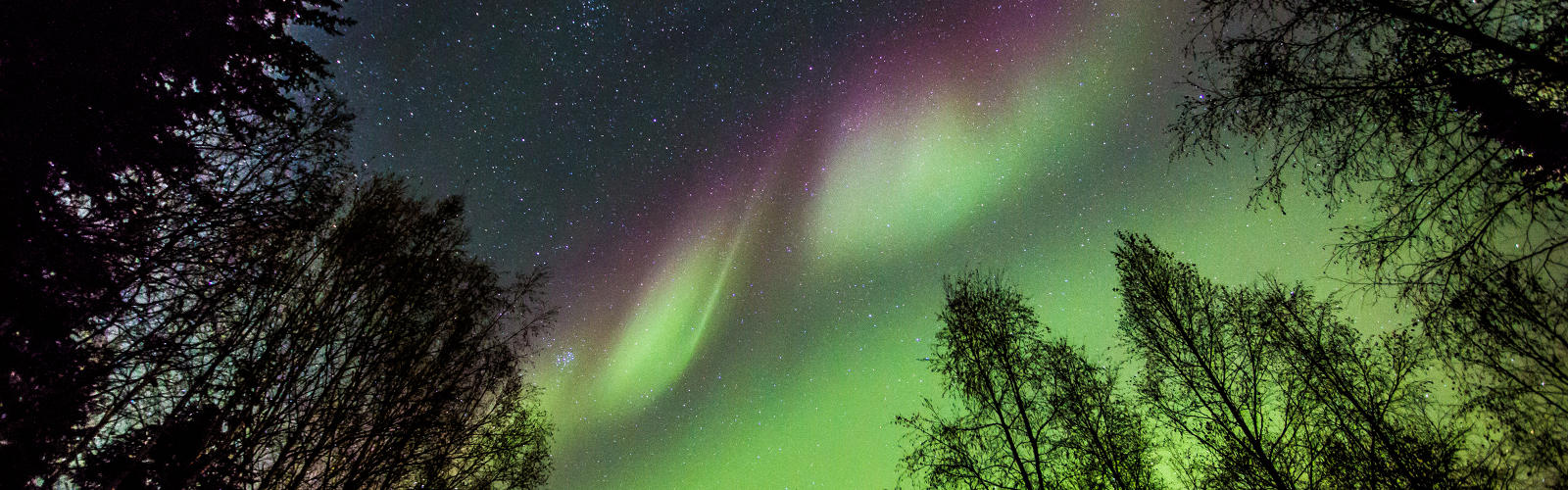
aurora

Aurora Forecast

See the lights dancing in the sky.
seismic activity

Earthquake Information

View the latest earthquakes in Alaska.
volcano

Volcanic Activity

What's erupting & how we respond.
webcam

Webcam & Weather

Check out our current conditions.
smoke

Smoke Forecast

Wildfire smoke prediction for Alaska.
Magnetic field icon for magnetometer

Magnetometer

How magnetic is Alaska?
remote sensing-based hazard monitoring

Hazards Portal

Remote sensing-based hazard monitoring.
Alaska coastline

Satellite Data

Near real-time imagery of Alaska and the Arctic.

Researchers

Meet the people behind the science.

Alaska Science Forum

Weekly column in cooperation with the UAF research community.

A University of Alaska Fairbanks scientist wants to find out when the last woolly mammoth fell to the grass in Alaska. He is asking for help from an unusual source: people like you.

“Lakes seem, on the scale of years or of human life spans, permanent features of landscapes, but they are geologically transitory, usually born of catastrophes, to mature and die quietly.” — George

WHITEHORSE, YUKON — A few minutes’ walk from the bank of the aquamarine upper Yukon River in northwestern Canada, thousands of bones of ancient creatures rest in boxes and on shelves.

When my little Ford pickup chugged into Alaska 36 years ago this month, I didn’t know a wheel dog from a dog salmon.

To put the largest eruption in Alaska’s written history in context, Robert Griggs pondered what might have happened if the volcano that erupted in summer of 1912 was located on Manhattan Island rat

Facilities

Research facilities at the Geophysical Institute.