

Voyager 1 has gone to great lengths in educating us
The Voyager 1 space probe is a little over 16 billion miles from the University of Alaska Fairbanks, but its gift of science has a solid connection here.
The NASA spacecraft hit a milestone of miles Nov. 18, reaching a distance of one light-day from Earth at 1:16:07 a.m. Alaska time that day. That’s how far light can travel in 24 hours.
It’s the farthest any human-made object has traveled.
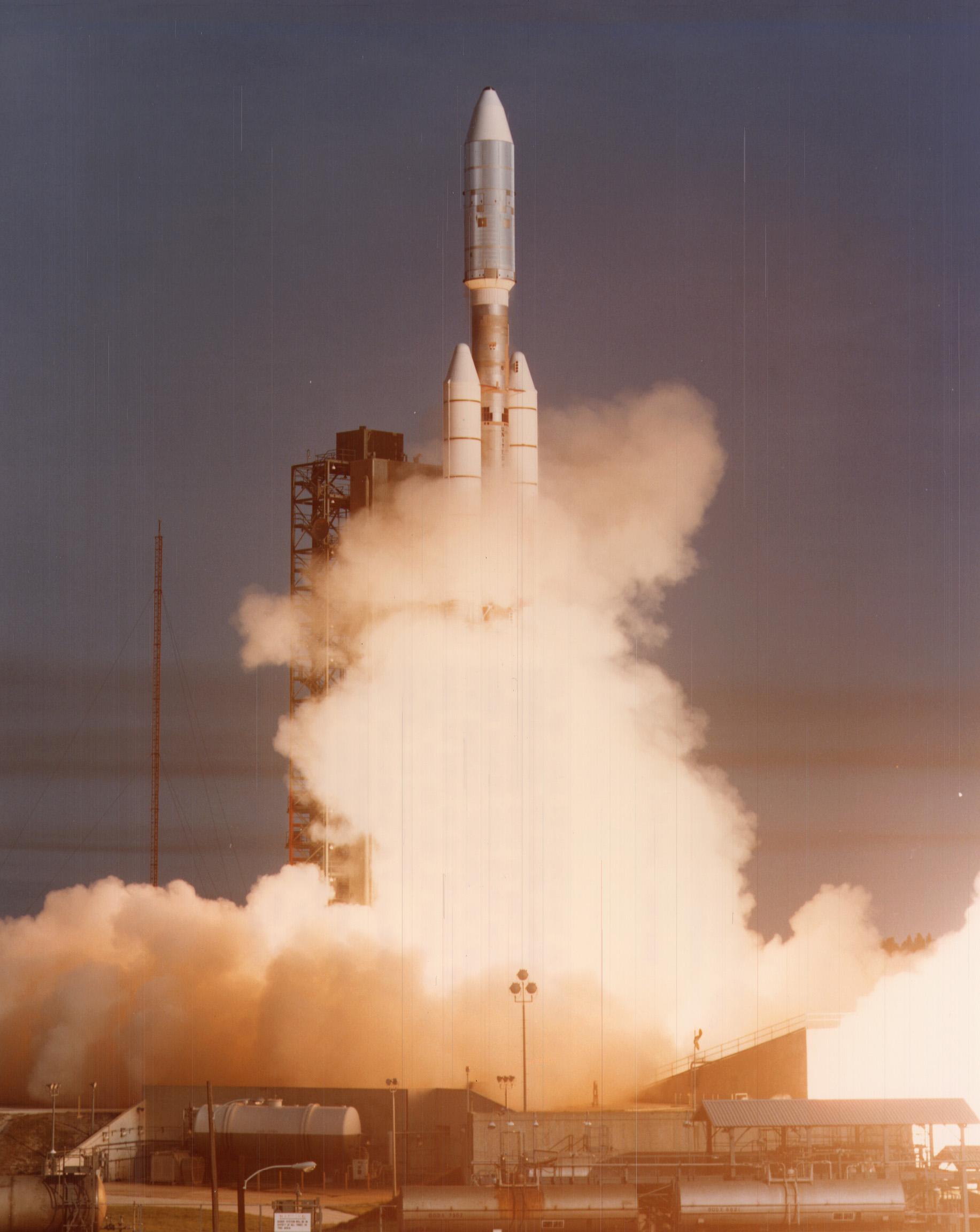
That got me wondering about all of the science that has come from Voyager 1 over the 49 years and two months since it launched from NASA’s Launch Complex 41 at Cape Canaveral, Florida.
UAF’s faculty and student researchers are still using data from Voyager 1.
“Voyager is absolutely huge in research for people at the Geophysical Institute,” UAF space physics professor Peter Delamere said. “We’ve explored the entire solar system, the heliosphere, and we’ve gone into interstellar space.”
“We gained a lot of information about the solar wind,” he said. “Now we really understand what is between all of our planets.”
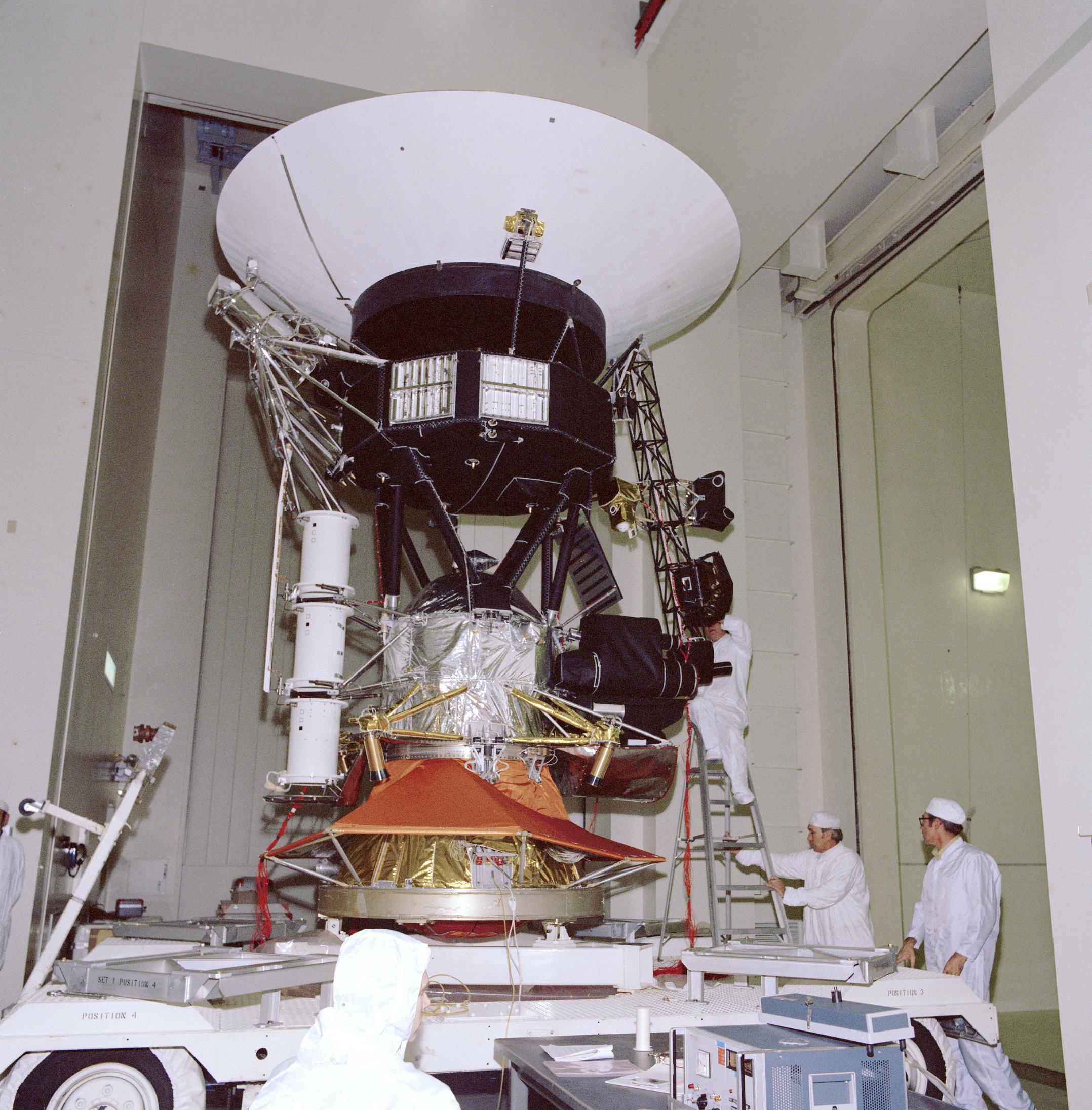
Voyager 1 launched Sept. 5, 1977, about two weeks after its twin, Voyager 2. It overtook its sibling on Dec. 15 of that year because it had a shorter trajectory. NASA used two spacecraft to maximize the odds of success but gave them differing missions.
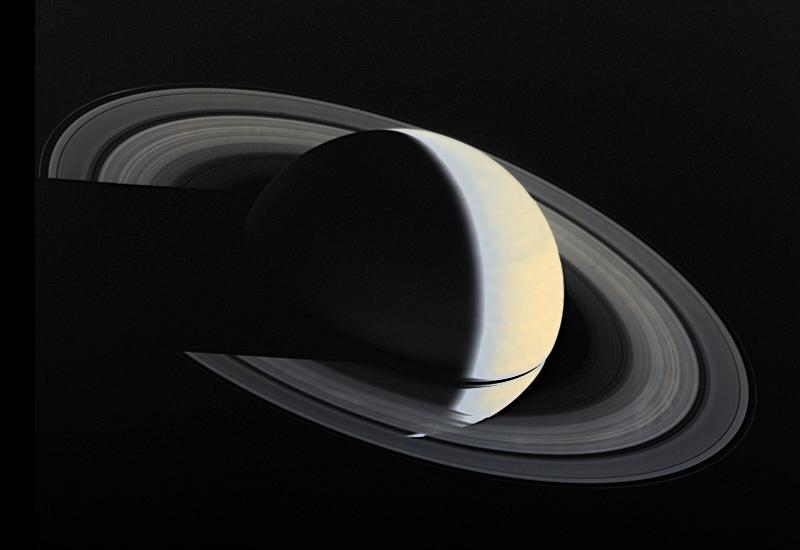
The twin Voyagers took advantage of a rare alignment of Jupiter, Saturn, Uranus and Neptune that occurs about every 175 years. The arrangement allowed the spacecraft to use planetary gravity to gain speed and change direction, saving fuel and shortening travel time. Voyager 1 visited Jupiter and Saturn, while Voyager 2 went on to Uranus and Neptune.
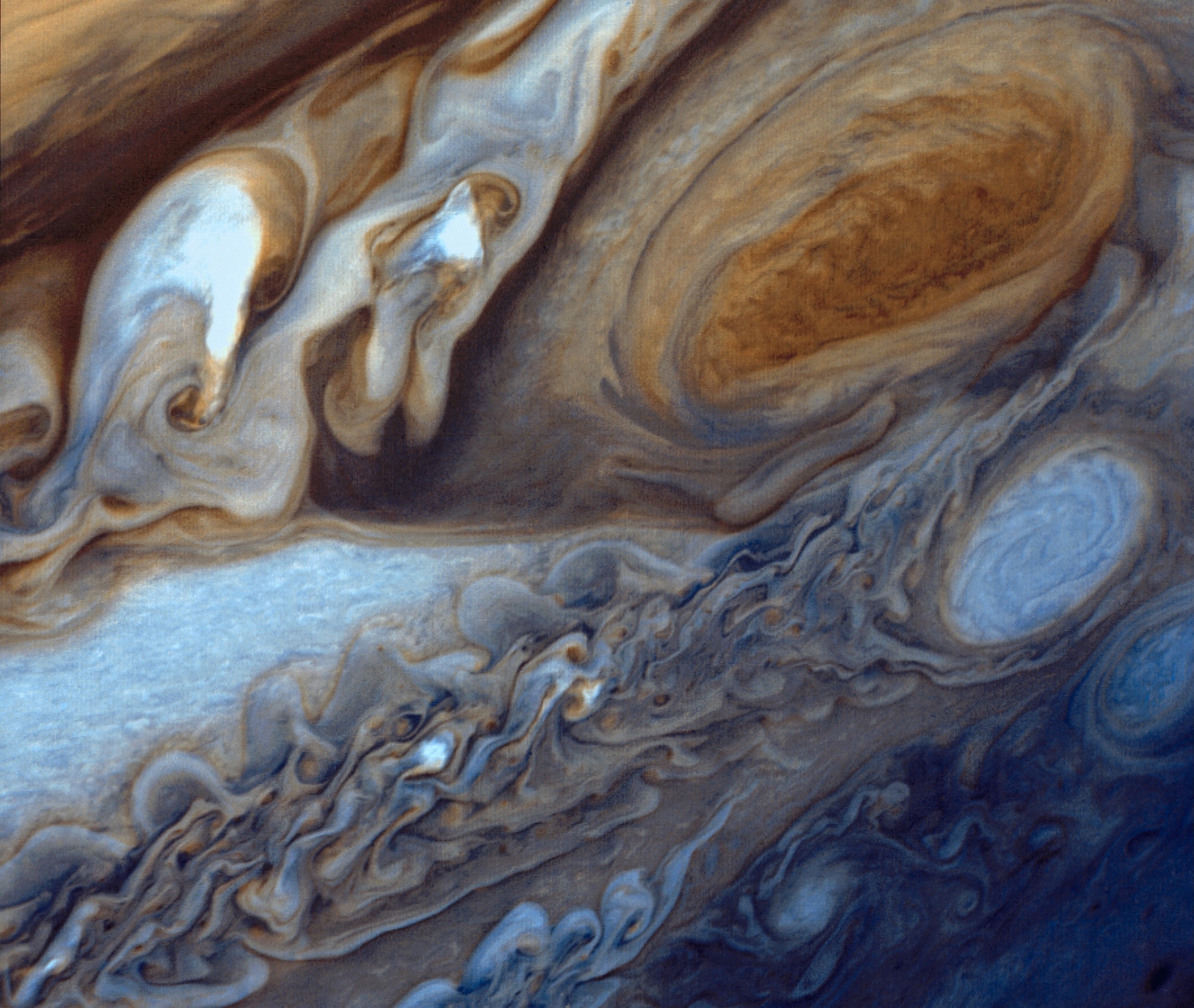
Voyager 1 flew much closer to Jupiter than Voyager 2. It made its closest approach to Jupiter on March 5, 1979.
Delamere, who is affiliated with the Geophysical Institute and the UAF College of Natural Science and Mathematics, focuses his research on Jupiter and Saturn. Voyager’s data from long ago is fundamental to his study of our solar system’s two largest planets.
“There’s only a handful of datasets from Jupiter, and Voyager 1 is one of them,” he said.
He listed NASA’s spacecraft that have Jupiter family ties.
“There’s Voyager, there’s the Pioneers, there’s Galileo, and Cassini when it was on its way to Saturn. There’s New Horizons, which looked at Jupiter and some its moons on its way to Pluto,” he said. “And we have Juno orbiting Jupiter now.”
Voyager 1 discovered a thin ring around Jupiter and two new moons. And it made the stunning discovery of volcanic activity on Jupiter’s moon Io. That small moon, slightly larger than Earth’s companion, is the solar system’s most volcanically active body.
That discovery by Voyager opened a field of research into what is now recognized as a unique planet-moon relationship in our solar system.
Delamere has done extensive research into that Jupiter-Io tandem while at UAF.
Jupiter’s immense tidal forces heat Io’s interior, fueling intense volcanic activity. The planet’s rotating magnetic field strips massive amounts of material from the moon, creating a doughnut-shaped cloud of charged particles, called a plasma torus. That cloud circles Jupiter and helps produce its auroras.
The Io-Jupiter interaction was part of the motivation for his 2024 KiNET-X experiment, which launched from NASA’s Wallops Flight Facility and sought to understand what occurs at the tiniest of scales when the solar wind collides with another plasma region — such as around Jupiter or Earth — to form aurorae.
Delamere wrote in his NASA proposal that the experiment would follow “a strong legacy of NASA-sponsored active plasma experiments” and noted Voyager among them.
Now, half a century after launch, Voyager 1 remains relevant. The next generation of space physicists are in UAF’s classrooms where Voyager’s past and present can sometimes appear.
“In space physics, we do a whole tour of the heliosphere from the sun to the Kuiper Belt and to the boundaries of the heliosphere, so Voyager is mentioned there,” Delamere said. “And we go beyond the heliosphere, which of course Voyager has done now, too.”
Most of Voyager 1’s science instruments have shut down over the decades of travel. The spacecraft stopped sending science and engineering data on Nov. 14, though it still sends a signal that allows NASA to know its location.
NASA says its technicians are working to restore Voyager’s data flow, but if this is the end for science data, it won’t be the end of the line for Voyager 1’s travels through deep space.
Back here on Earth, in labs and classrooms, data from an old spacecraft will still be revealing new insights about the distant space around us.
Since the late 1970s, the University of Alaska Fairbanks Geophysical Institute has provided the Alaska Science Forum column free in cooperation with the UAF research community. Rod Boyce works in the Geophysical Institute public information office.