


Biking trail ends at the western coast
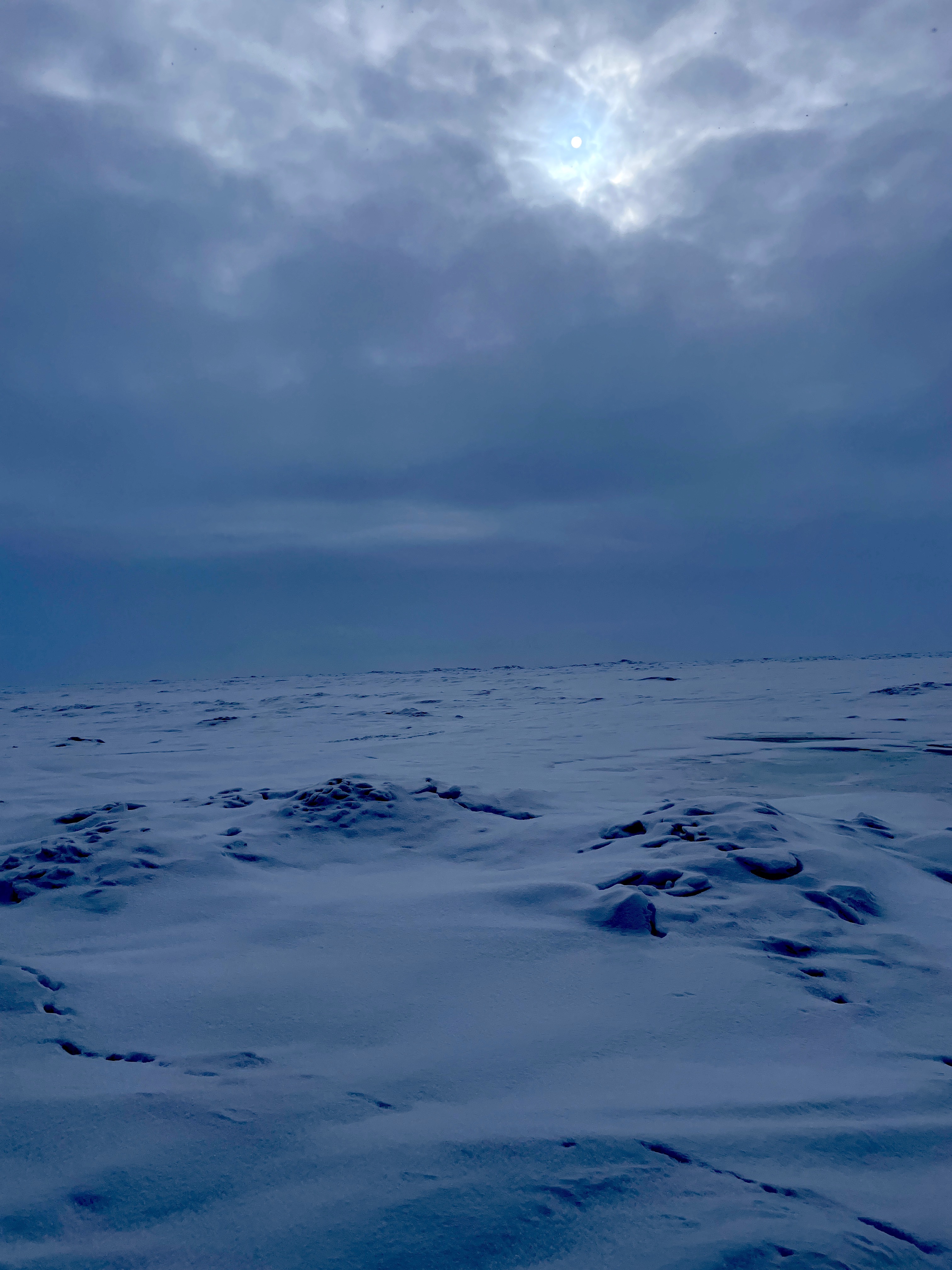
UNALAKLEET — Winter finally ran out on us.
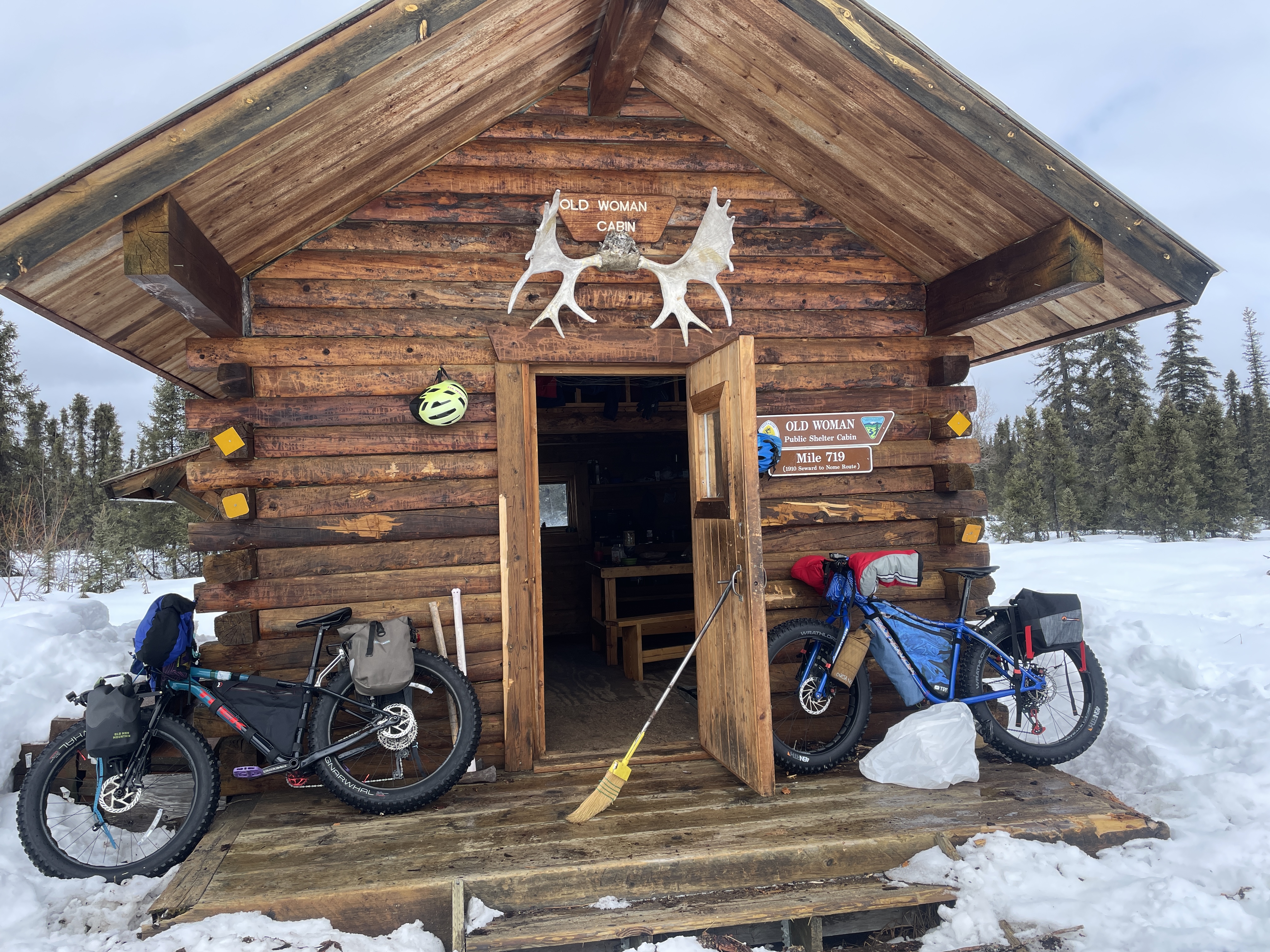
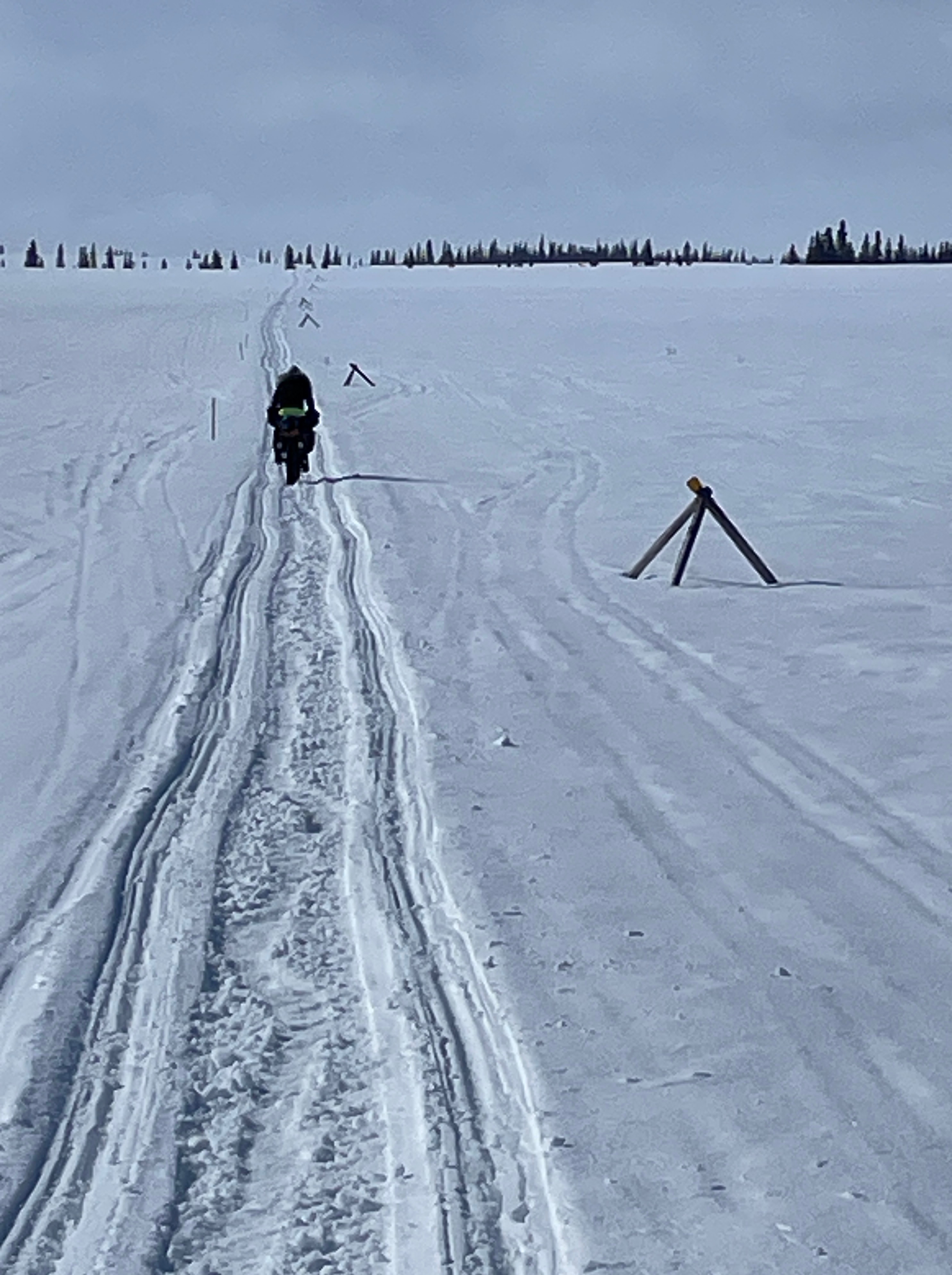
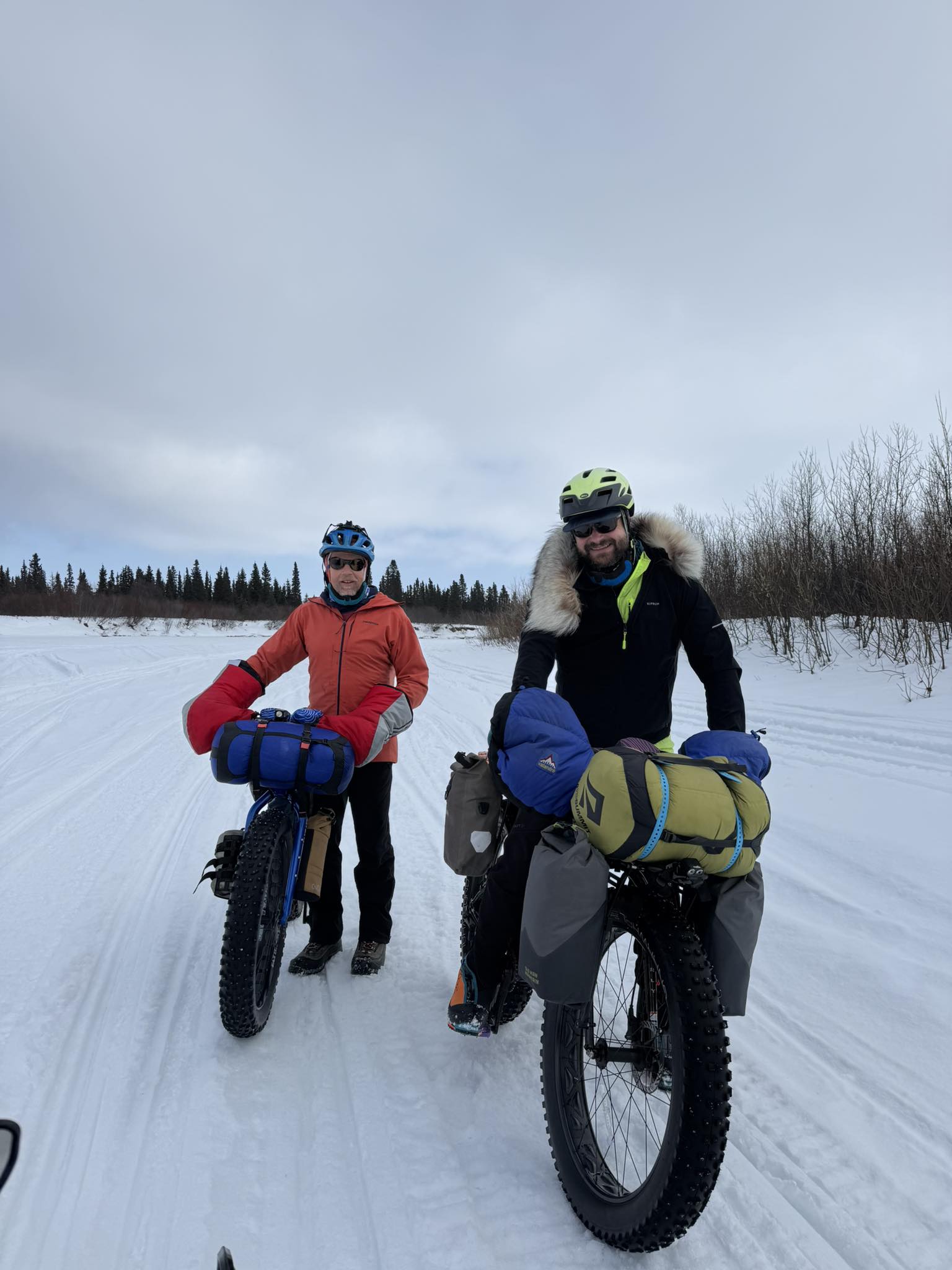
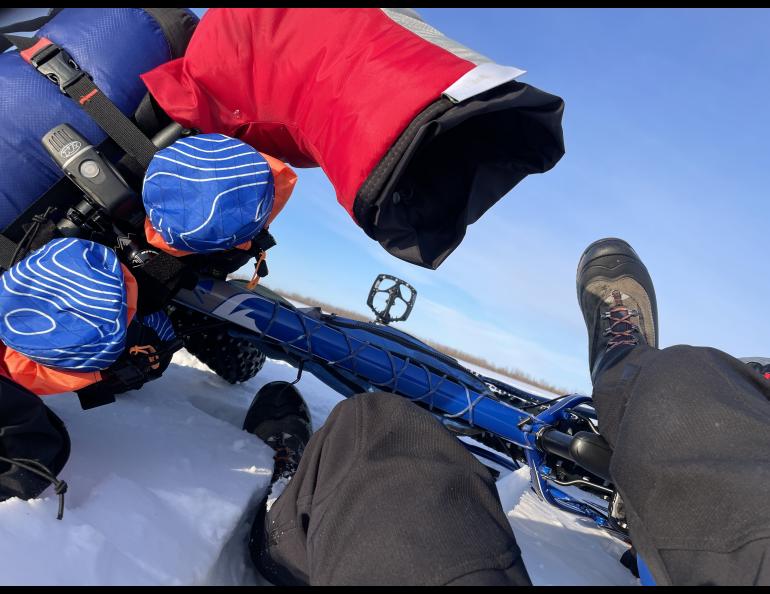
After a few days stranded within a cabin beneath Old Woman Mountain, Forest Wagner and I were able to keep our squishy tires afloat on a frozen snowmachine track long enough to pedal 34 miles into this village on the Bering Sea.
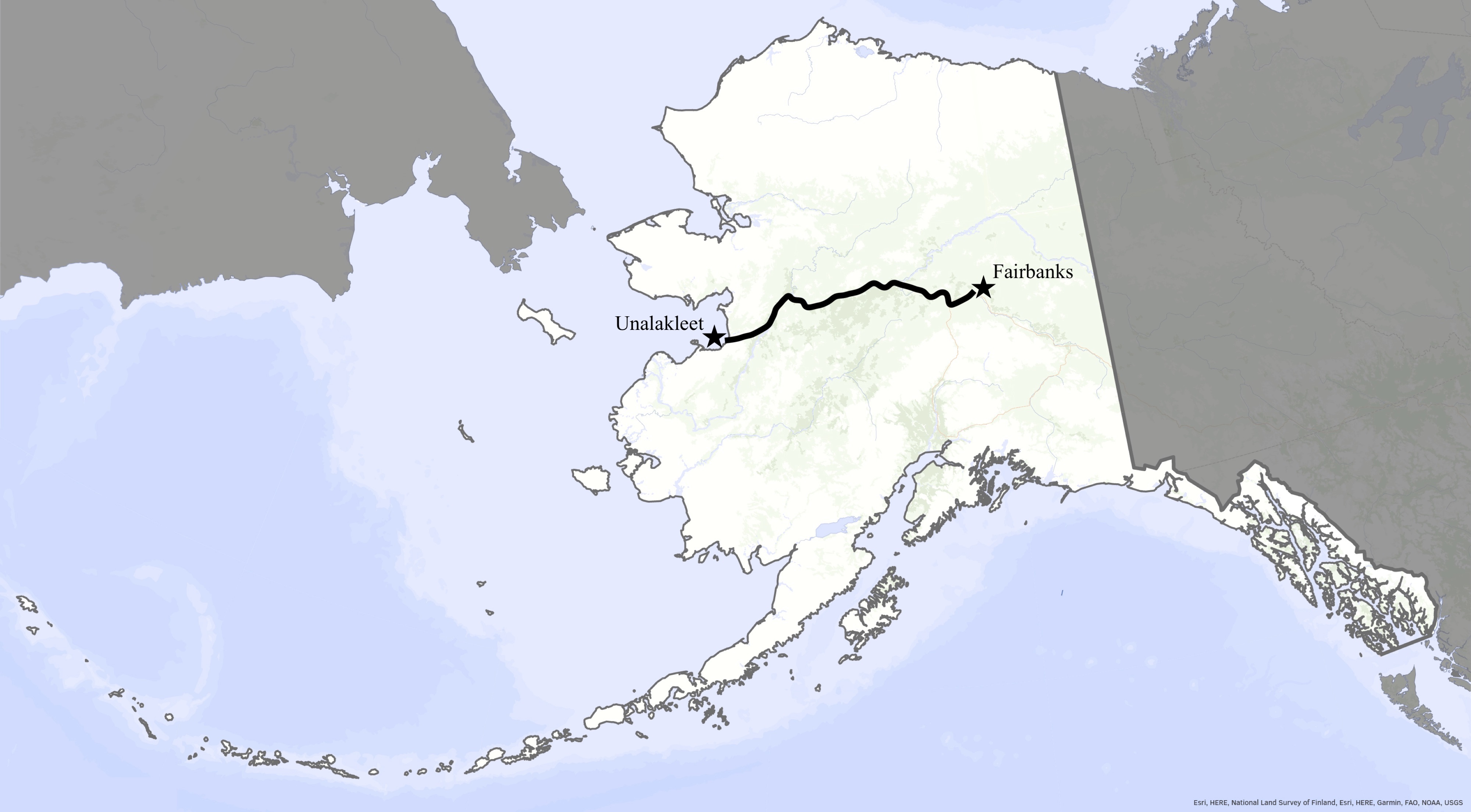
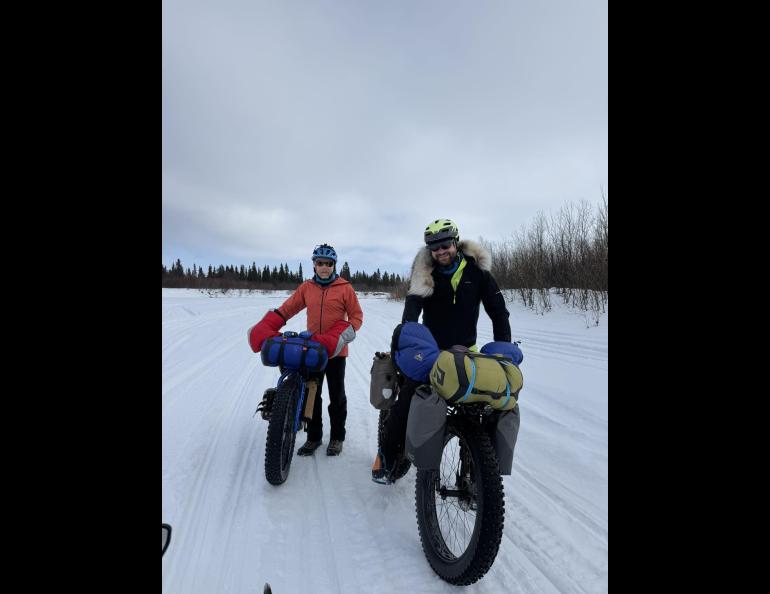
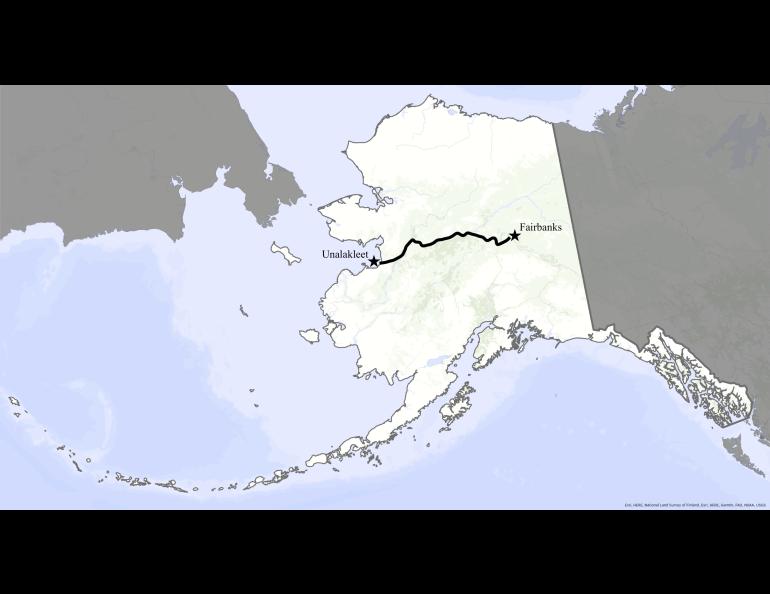
After 515 miles and more than three weeks of pedaling and pushing our fat bikes, we have decided to fly from this community of 750 people home to Fairbanks.
We fall a few hundred trail miles short of our Nome goal but are both pretty happy with the line we drew across Alaska.
Our three-night stay at Old Woman cabin, built and overseen by people with the U.S. Bureau of Land Management, was all we could do when our bikes became unviable tools for forward motion. That happened on the 90-mile portage trail from Kaltag to Unalakleet. The warmth descended before the ink was dry on my last story, the one in which I stated that the trail was still firm.
The overland trail after the Yukon River at Kaltag was a study of a winter snowpack in transition. In short, the trail was mashed potatoes.
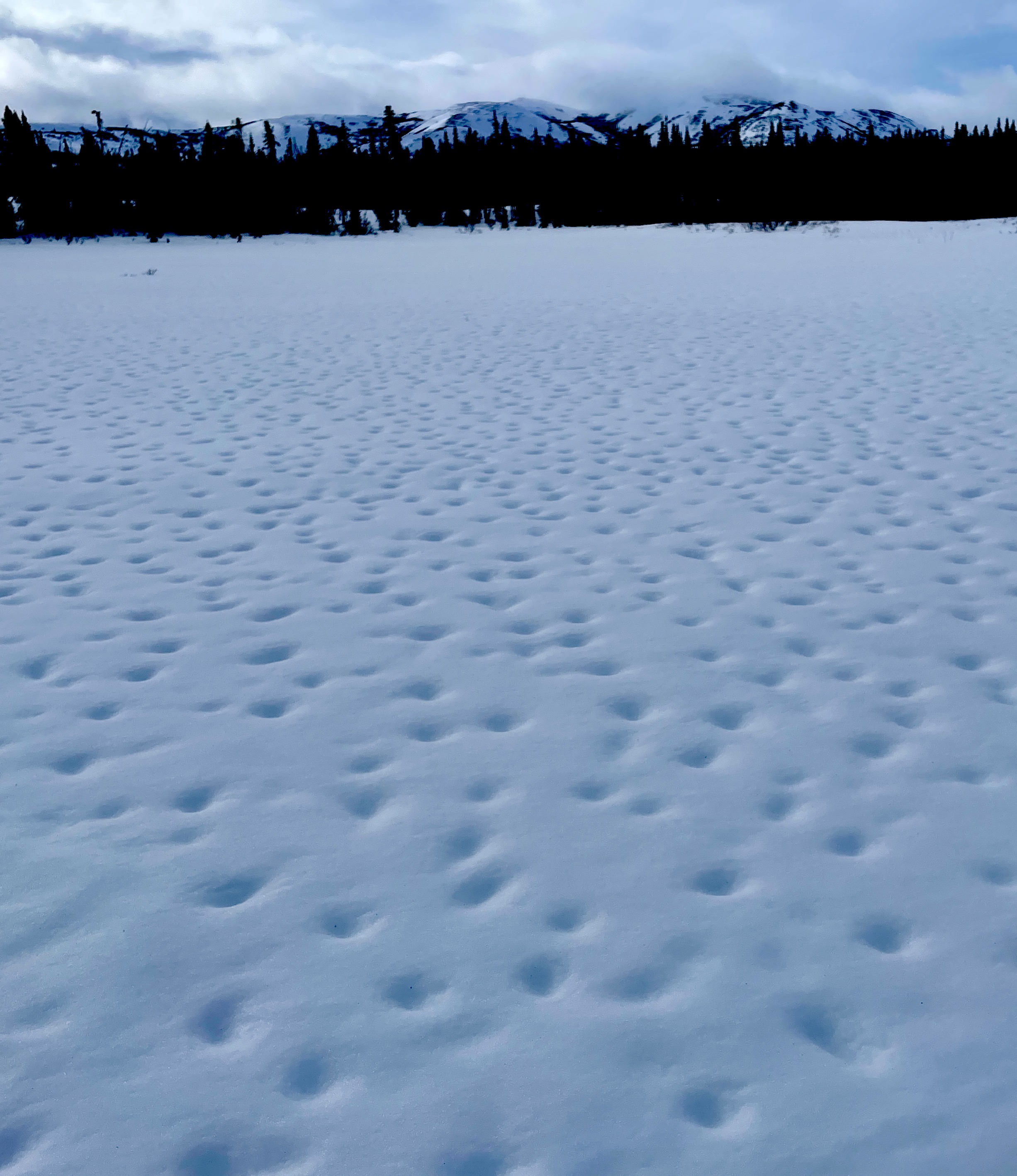
In more detail, avalanche expert Forest started noticing “runnels,” grooves on the smooth snow that resembled tiny white streams. We also saw “percolation columns,” which looked like holes on a putting green. The snowpack was a block of Swiss cheese through which meltwater was flowing to the ground.
No bueno. Both were signs that the 15 hours of April sunlight had combined with an air temperature above freezing to saturate the snowpack with meltwater.
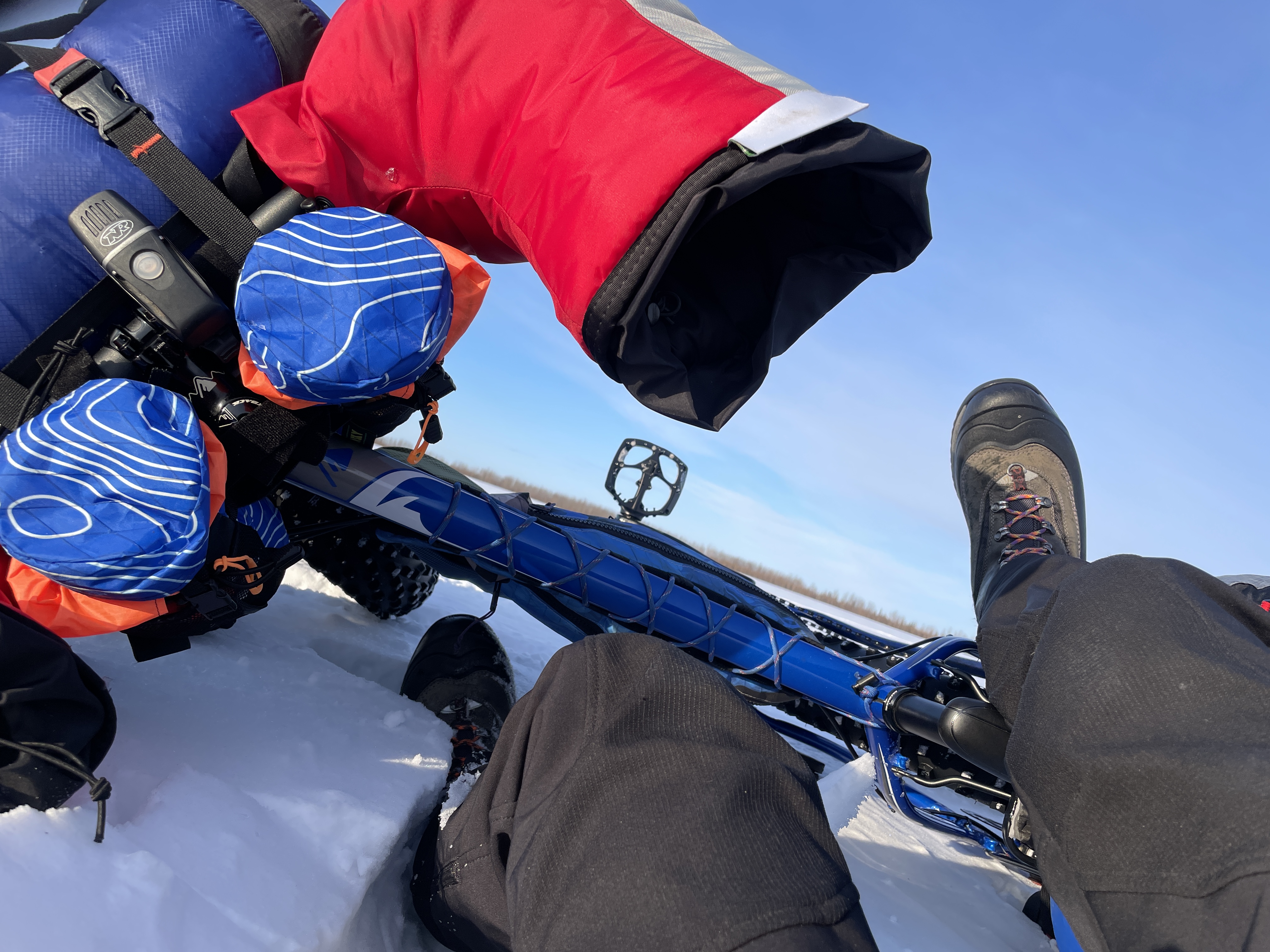
No matter how much we deflated our balloon tires, we could not ride our bikes.
“I’m postholing and my bike is postholing,” Forest said as he shoved his bike up a hill from Tripod Flat cabin toward Old Woman cabin. It was a 16-mile journey that would take us 12 hours (never do the math). And it rained.
The punctuation marks: a white moth that bounced off my cheek, freed after months of clinging to a spruce in hibernation. And the sudden soapy smell of wet willows, wounded months ago by moose yanking until they snapped.
We reached Old Woman cabin as darkness fell. In a few minutes, Forest had dry spruce snapping in the woodstove to dry our gear. We then passed out on plywood bunks.
For the next few days, the punchy snow confined us to the cabin. Except for the dreaded trip to the outhouse, which was a little better after we established a series of holes like moose tracks.
Surprised, not surprised. We knew running into too-warm weather was probable when we left Fairbanks on March 21.
That was a month later than we first had planned, but that was the day when a crazy cold and stormy winter released us. It was 12 below zero F when I left my house the morning of March 21. We did not ride through air that cold again.
And now we won’t turn a pedal again on this trip. Sigh.
We miss the daily grind and the beautiful simplicity of just-add-water livin’. But it was going to end soon anyway.
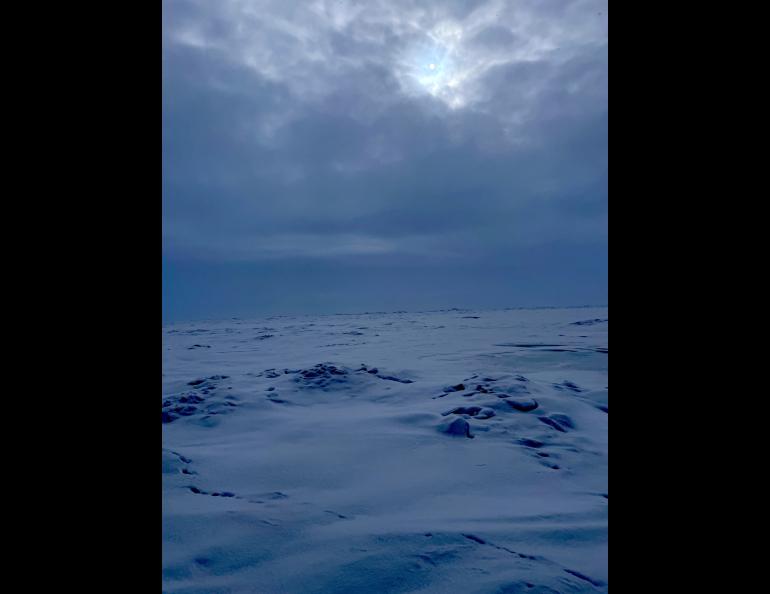
Looking back over the trip from Fairbanks, the themes were wide-open country, many hours of moving and sleeping outside, and a stark, white existence.
Sharing all that was my partner Forest, whom I met on a Wilderness Classic race 17 ago. On this trip, he washed dishes at the homes of our hosts and laid down a track in the trail for me. We are like-minded enough that without conferring we both chose the same out-of-style minimalist running shoe as our non-biking footwear.
Thank you for coming along with us. And thanks to the many people who helped us on the trail, currently Brad and Kami Webster, who are housing and feeding us in Unalakleet. My wife Kristen mailed boxes for us, delivered us cheeseburgers in Nenana and held down the fort in Fairbanks.
My employers at the University of Alaska Fairbanks Geophysical Institute sponsored me on the trip, again making me realize what an unusual, fitting occupation I have enjoyed for more than 30 years.