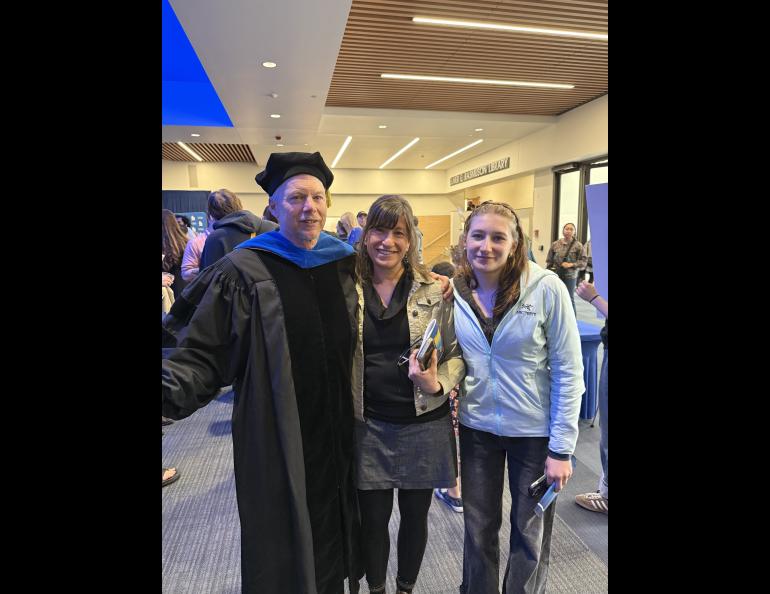
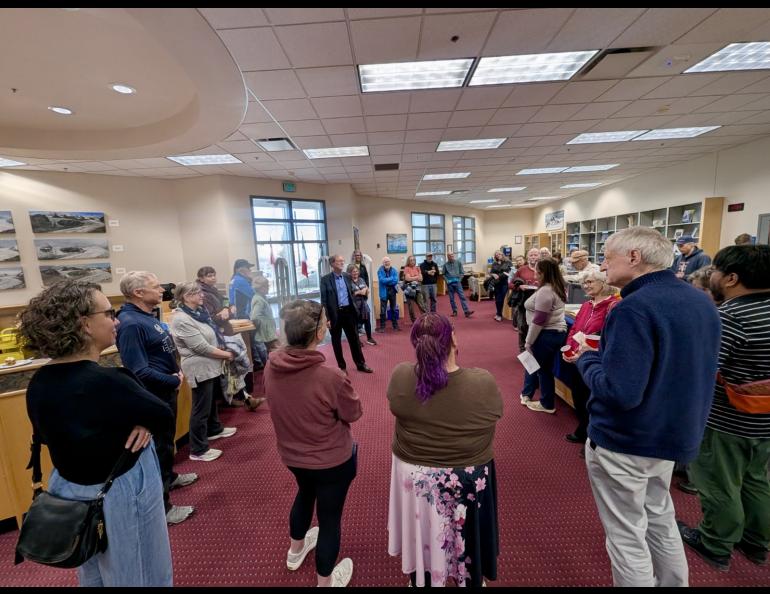
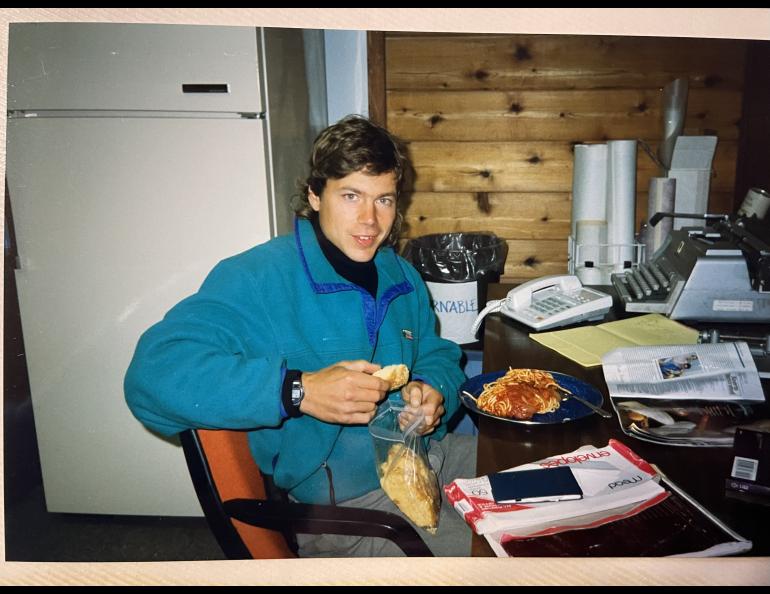
This one's for you, Ned!
It’s been a big spring for now-former Alaska Science Forum author Ned Rozell.
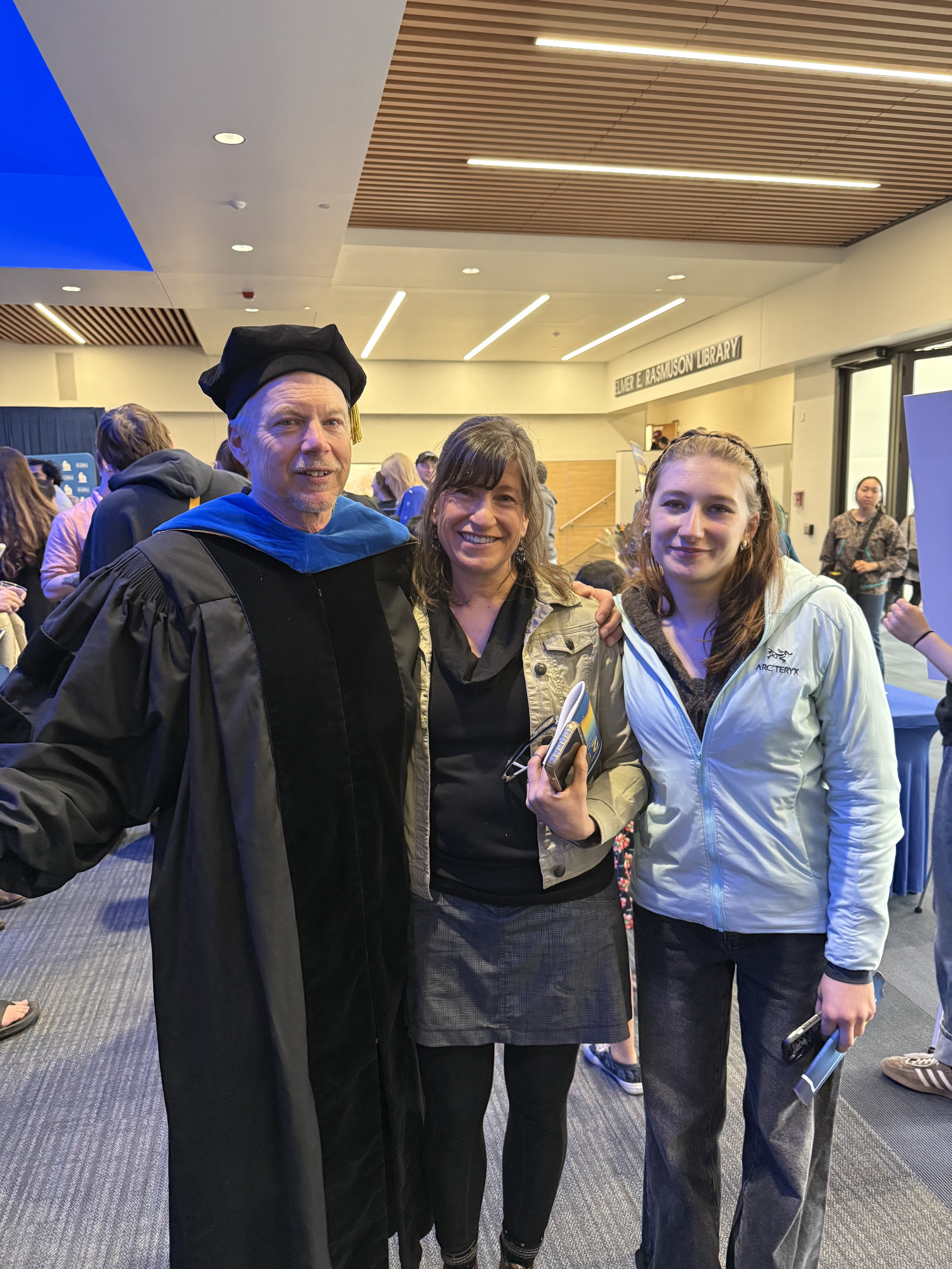
While biking 515 miles from his home in Fairbanks to Unalakleet on the western Alaska coast, he received three significant recognitions: the University of Alaska Foundation’s Edith Bullock Prize, the University of Alaska Fairbanks Geophysical Institute’s Roger Smith Lifetime Achievement Award and emeritus status from UAF.
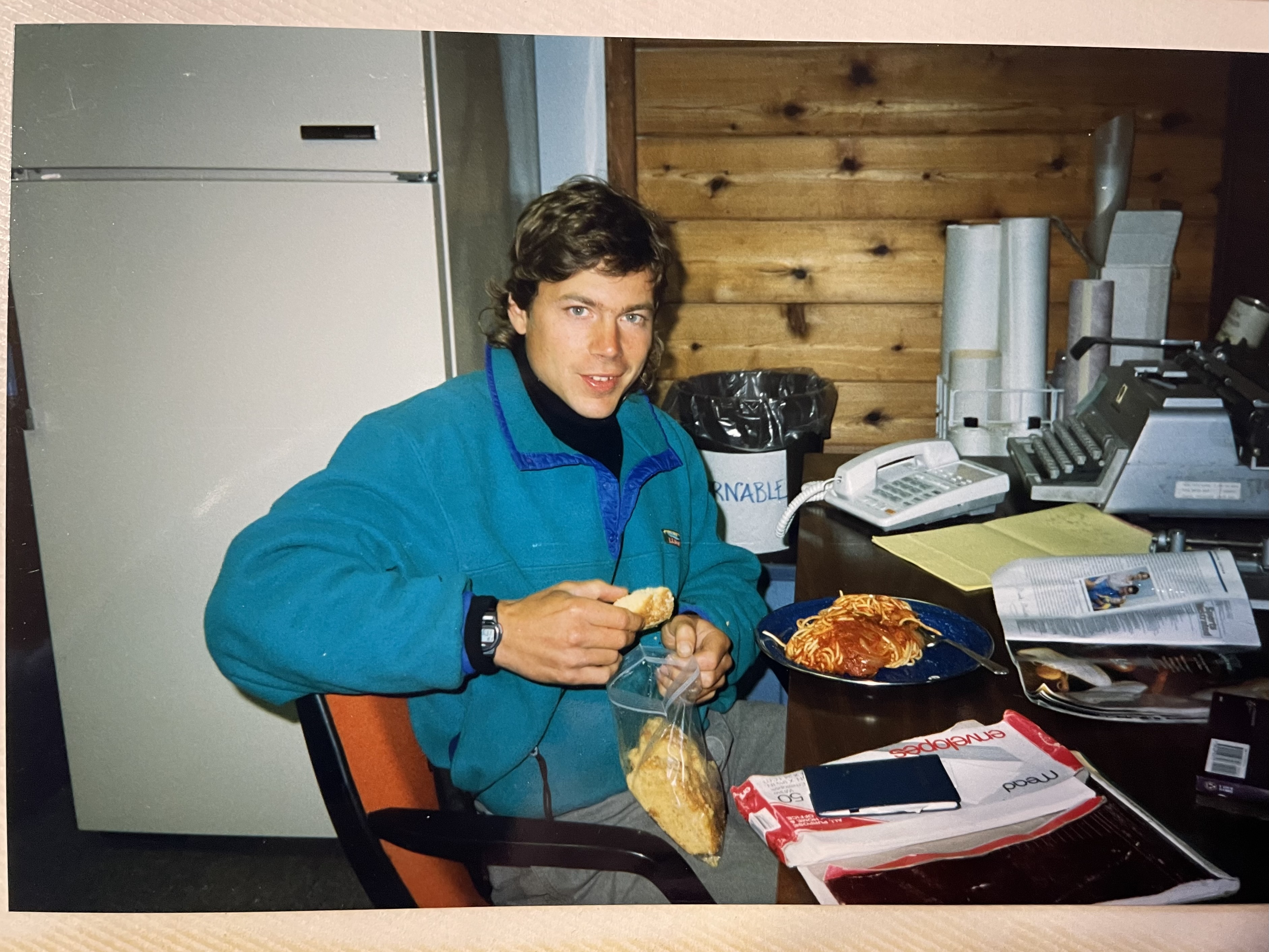
On May 1, he also retired from the Geophysical Institute after writing the weekly Alaska Science Forum column for 31 years, a labor of love that produced over 1,500 science stories.
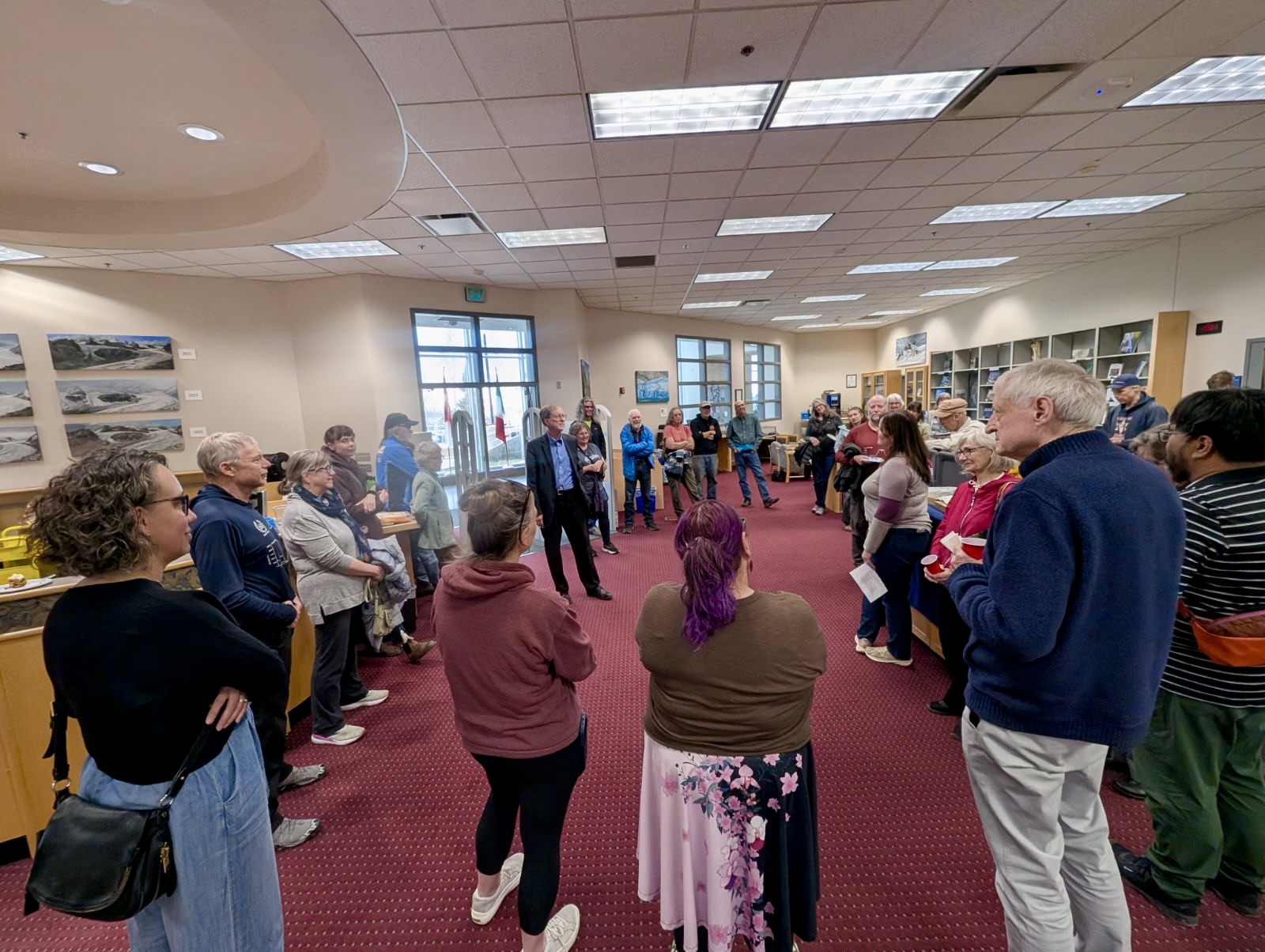
During recent farewell celebrations, Ned jokingly admitted that he was relieved to be out on the trail while admirers near and far heaped congratulations, well-wishes and words of appreciation on him.
Although few, if any, would describe Ned Rozell as an extrovert, his writing over the past three decades has broadcast Alaska- and Arctic-based science through the oldest and most effective human means of communication — a good story.
UAF researchers and scientists across the state trusted Ned to tell their stories accurately and in a way that engaged and inspired non-scientific communities.
GI glaciologist and friend Martin Truffer shared that “the reason Ned is so successful in his writing is that he has a style that is relatable to a very broad audience. What I find admirable is that he can accomplish this without compromising scientific accuracy.”
Fairbanksan Mike Powers wrote, “for 31 years, your column (and books!) have deepened our understanding of the incredible Alaskan world around us ... and have helped remind many of us what makes Alaska such a great place to live. Such a legacy!”
Prior to Ned's tenure, a handful of other writers contributed to the column, including the late geophysicist and Geophysical Institute Deputy Director Neil Davis, who started the column in 1976.
Ned writes in his forthcoming book, “Lights on the Hill: A History of the Geophysical Institute,” that Davis brainstormed the inception of the now 50-year-old column with University of Alaska history professor Claus-M. Naske over cups of coffee in the Elvey Building.
They envisioned that Davis and other GI scientists would write short, non-technical science stories to be sent to newspapers and improve communication between scientists and the public to grow awareness and appreciation of how the environment affects life in Alaska.
In a recent letter to the editor, David Stanley wrote, “Neil Davis was a close family friend, and I read his superb version of the column for years. But, for the last couple of decades, I’ve been reading Ned’s version and have found it every bit as delightful and entertaining as Neil’s. Science communication has never been more important to all of us, and Ned delivered a great product that could appeal to everyone in his own conversational style.”
Carla Helfferich was writing for the column when Ned was hired in 1994. She reflected, “I was a little worried about the transition to the next writer. Ned Rozell? Who's that?... Very soon, I learned that no worry had been necessary. Like me, Ned is good at jostling the elbows of the researchers and asking ‘Whatcha doing?’ But bless him, he did it better, out there in the field, not just in the labs, libraries and halls. And he brought it home with a priceless clarity.”
Thank you, Ned, for bringing us along on your adventures, entertaining curious readers and strengthening connections to science through the GI’s Alaska Science Forum.
As you start your next chapter with no weekly deadlines, it will be our turn to ask you — “Whatcha doing?”
We are eager to engage readers as we think about the next phase of the Alaska Science Forum. What are you curious about? What would you like to see in the column over the next 25 years? Email us at uaf-gi-public-info@alaska.edu.
Since the late 1970s, the University of Alaska Fairbanks' Geophysical Institute has provided this column free in cooperation with the UAF research community. Becky Lindsey is the communications director at the Geophysical Institute.