Ornithological observations from a recliner
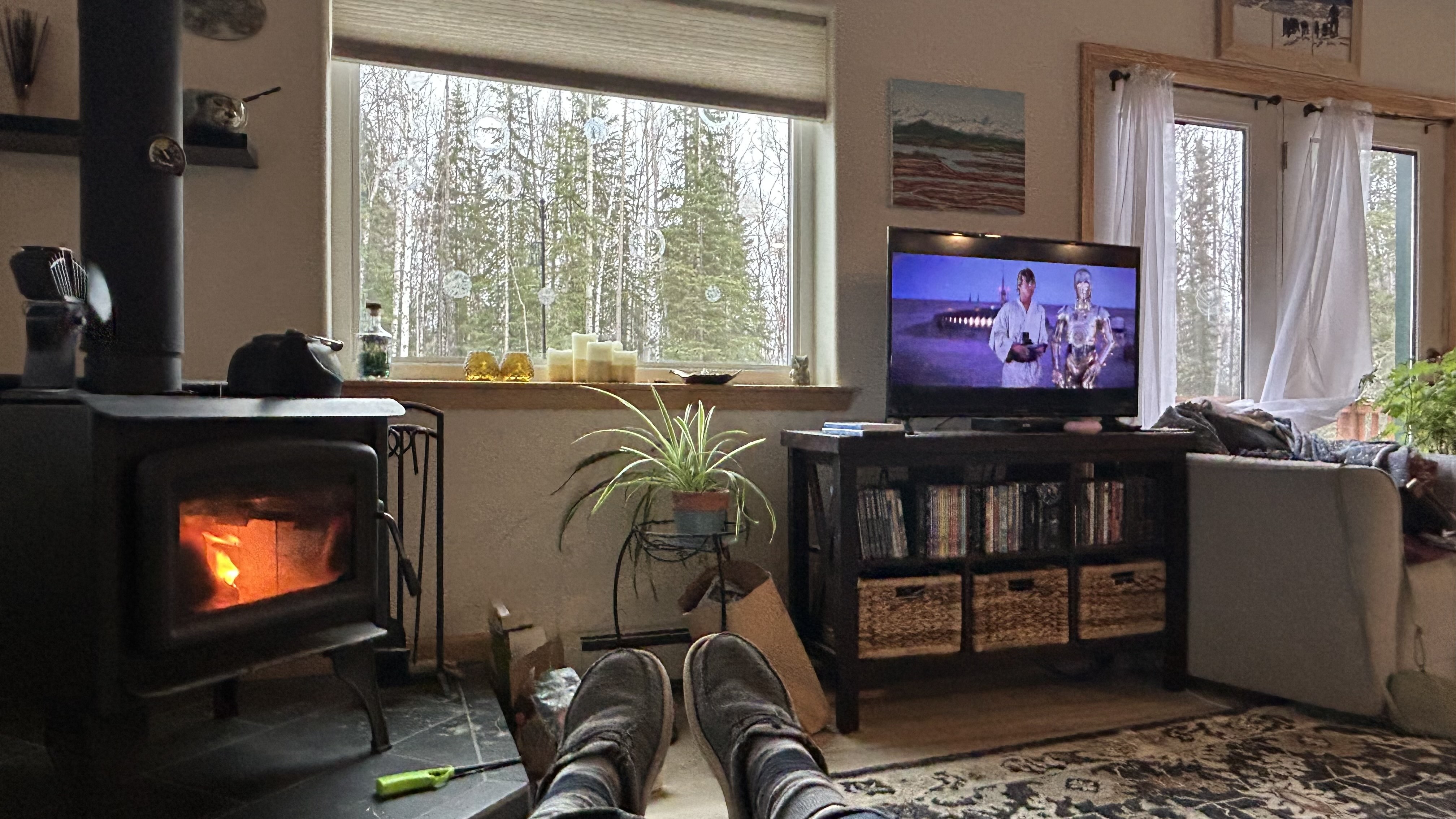
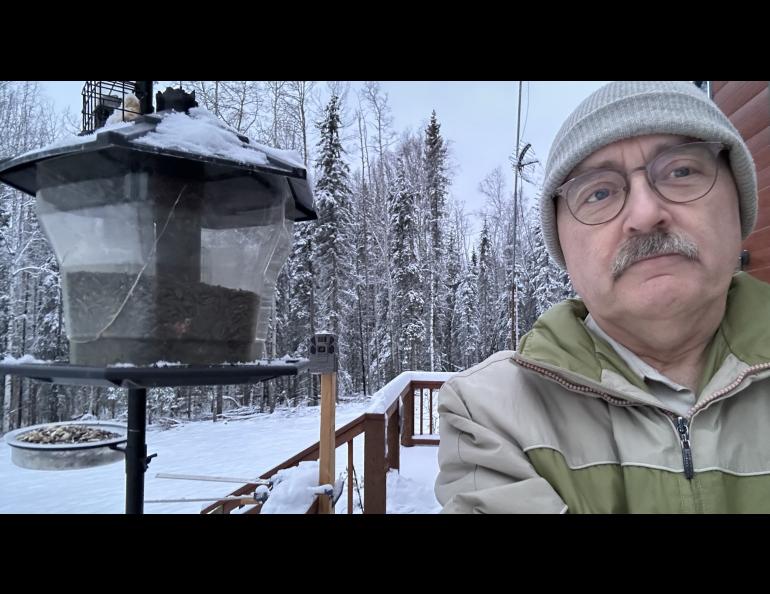
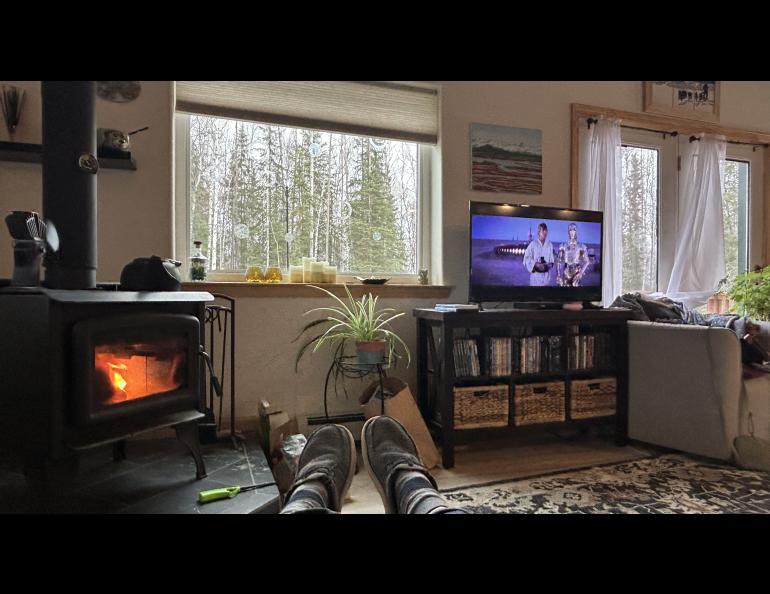
I don't know what age you're supposed to start sitting in a recliner and looking out the living room window at the bird feeder, but I sure do like doing that.
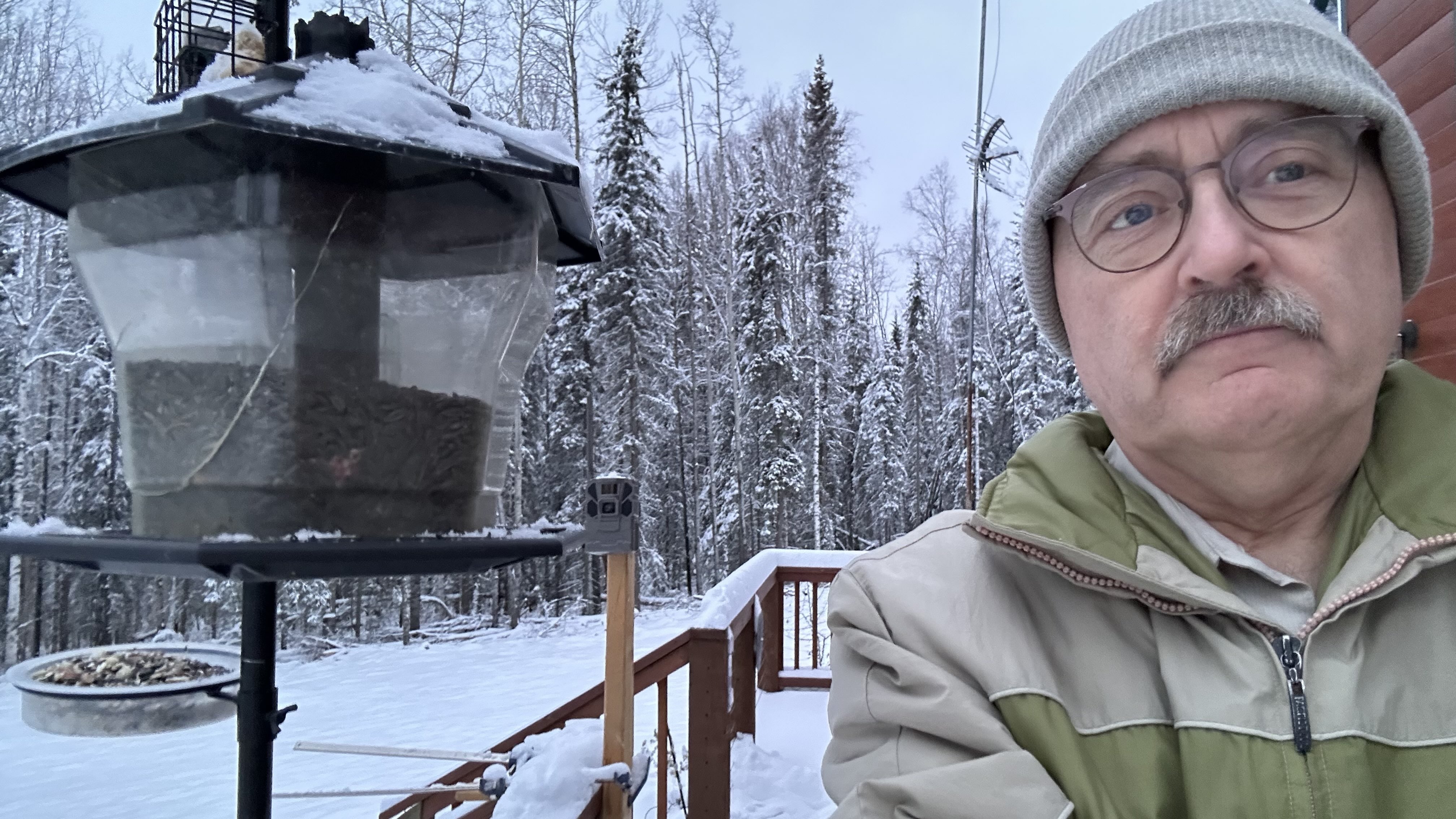
My wife, Julie Stricker, and I have lived in Two Rivers for 30 years. We moved into a new home five years ago, half a mile from our previous house in this small and scattered community east of Fairbanks.
And, to our delight, we have many more birds here. So now when I sit in the recliner, it’s not always to relax from chores outside. Instead, I do some comfortable and not-so-serious science.
It’s the time of year when bird feeders come out of storage all around Alaska and we happily watch what happens. With the bears hopefully denned up by now, we shouldn’t have to worry about visitors — except for the determined squirrels, of course.
So what do my many years of recliner research tell me?
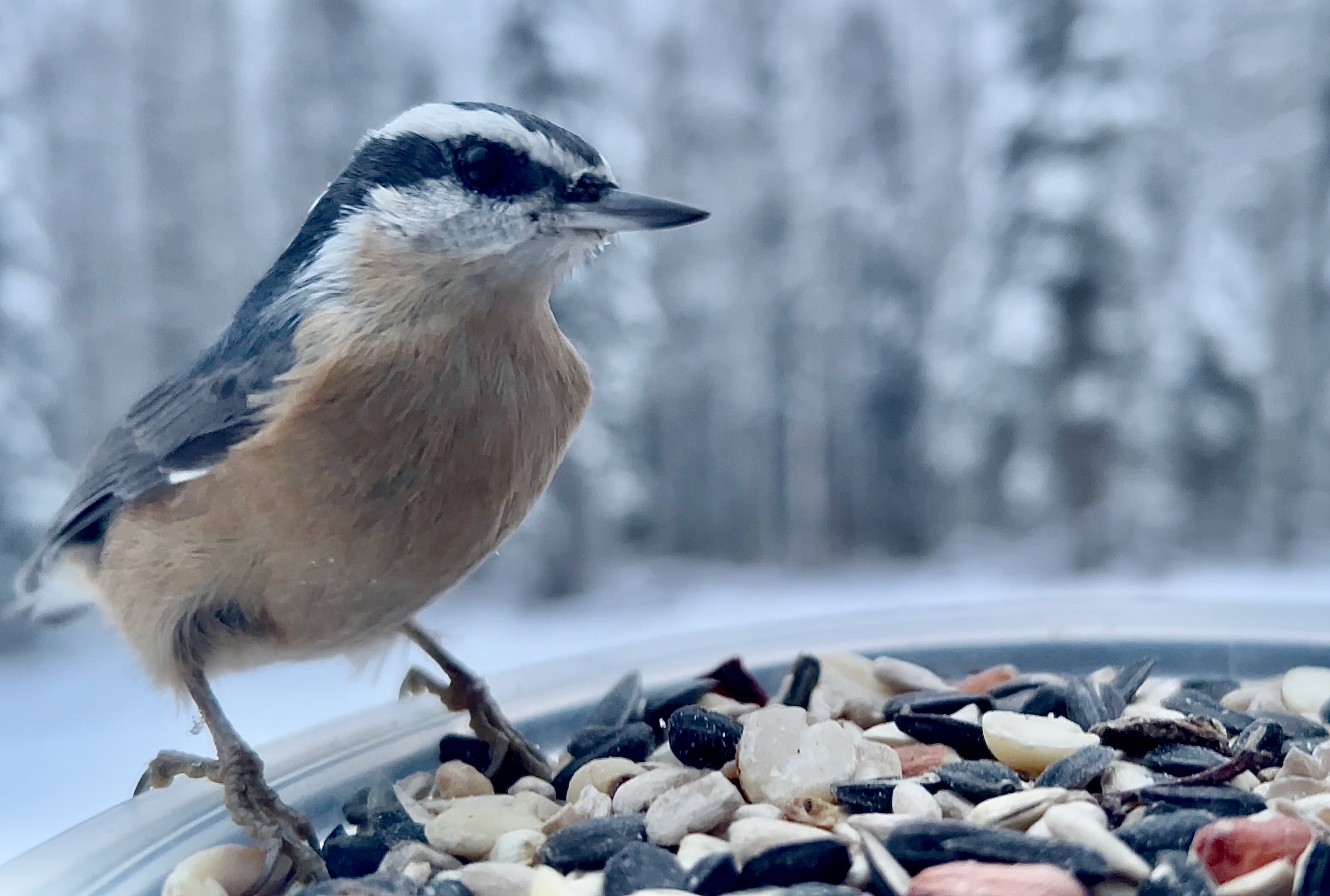
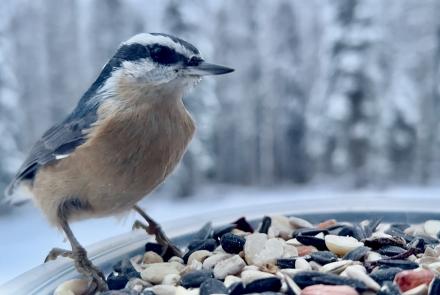
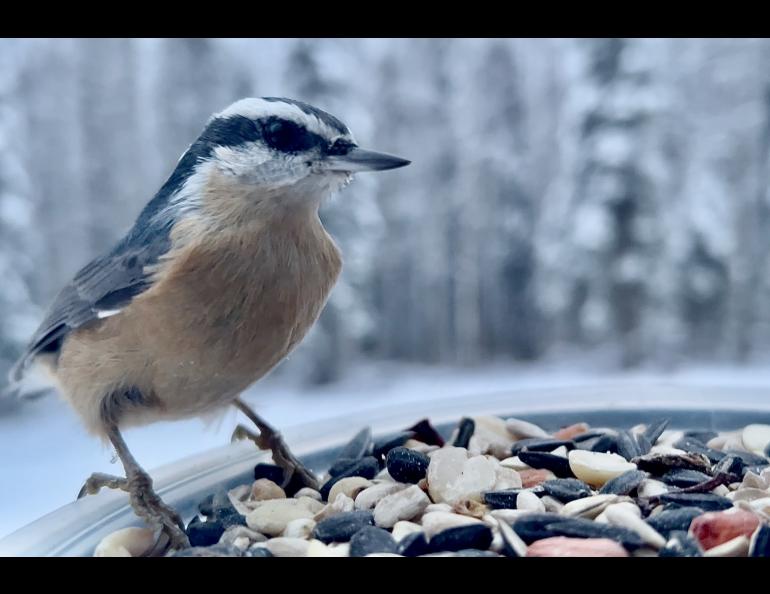
Red-breasted nuthatches are rude.
We rarely saw a nuthatch at our other house, but one shows up regularly at our new place. Or maybe there's more than one, I don't know. It or they seem to favor the shelled sunflower seeds in the tray of mixed offerings, but I can’t be certain.
But here’s the thing: A nuthatch will be in the round tray eating, scanning the surroundings constantly as little songbirds do, and some black-capped chickadees will show up. The nuthatch will get annoyed and chase them away almost every time.
About two weeks ago I watched a feeding nuthatch get increasingly impatient with a single black-capped chickadee sitting on a perch about two feet higher. It gave the chickadee a few looks — surely I saw some irritation? — then zipped upward to drive it away.
Nuthatches pack a lot of punch in their one-third ounce of weight, but they aren’t the only bossy birds.
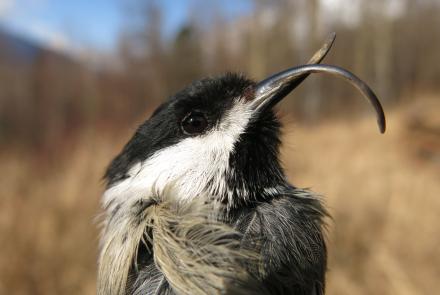
I've noticed similar crankiness in boreal chickadees, though they haven’t arrived at our feeders yet. They just don’t seem to like their cousins, the black-capped chickadees. They often nudge the black-caps out of the way.
Then there are the gray jays: annoying yet entertaining.
The jays, because of their size and because they’re always in pairs, usually crowd out other birds. And they stay for a long time, mostly on the suet cages.
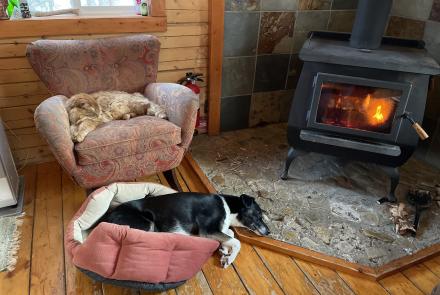
They’re a little bit of a nuisance, but they are kind of funny. They'll sit on the railings of our dog yard pens, waiting to see which of our sled dogs is the slowest eater that day. They hop down to assist with breakfast or dinner. And they aren’t too worried about humans.
We had the season’s first hairy woodpecker at the feeder this past weekend. These are big birds, up to 10 inches long and weighing as much as 3 ½ ounces. Even so, they’re acrobatic at the feeder, often hanging upside down on the suet or clinging to a hanging feeder swaying wildly under their weight.
Sometimes we’ll have the hairy woodpecker and the smaller downy woodpecker at the same time. They seem to get along fine.
And of course, later in the season, the vacuum horde will arrive. Anyone who has lived in Fairbanks and has a feeder knows I'm talking about the redpolls. I’ve counted at least two dozen around the feeders. If I get too close to the window — poof — they all scatter in a speckled brown fright.
We have such a wide variety of birds in and around our home, which sits on a hill above a marshy creek, with no neighbors nearby. The feeder activity is just a part of it.
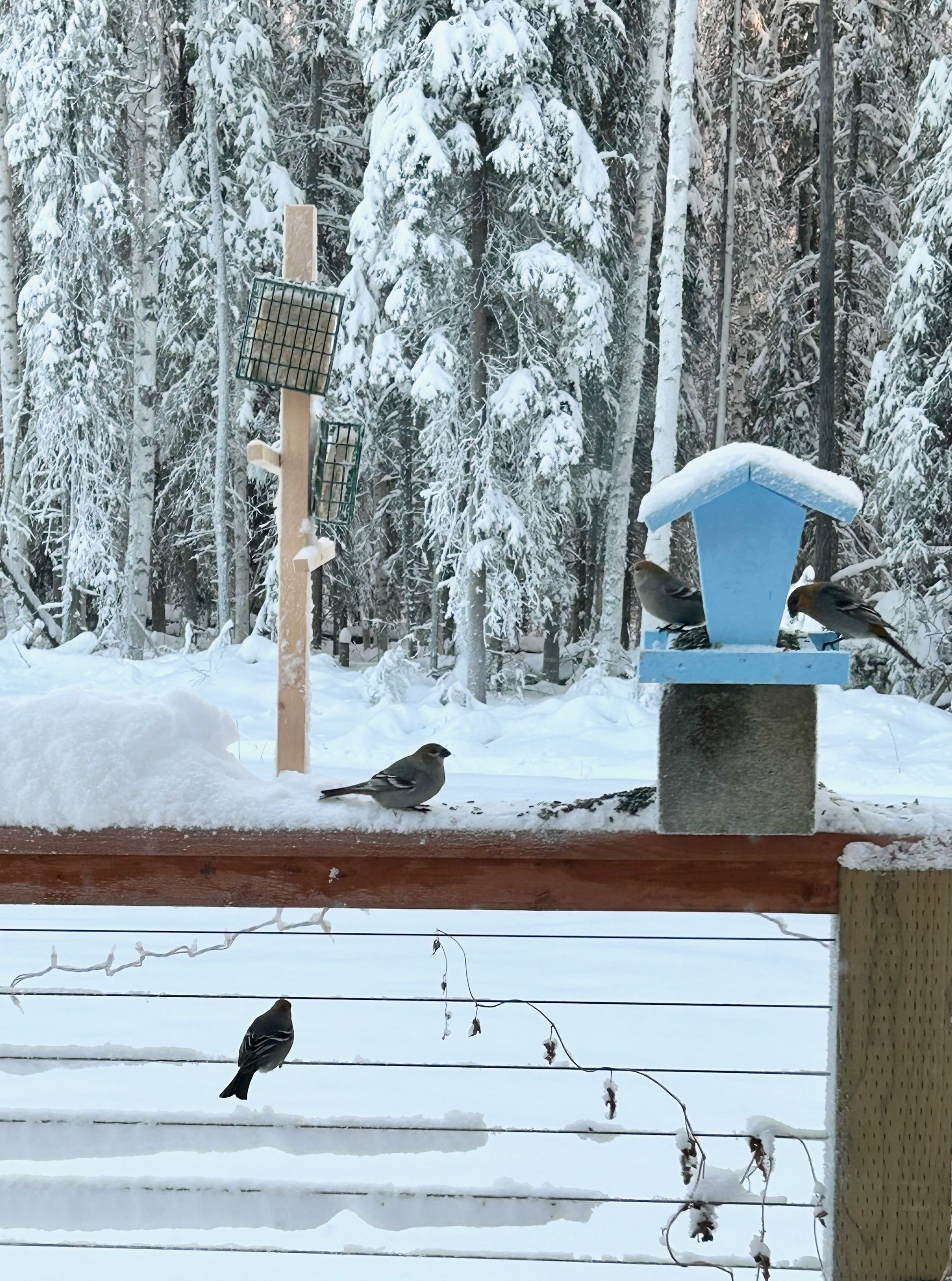
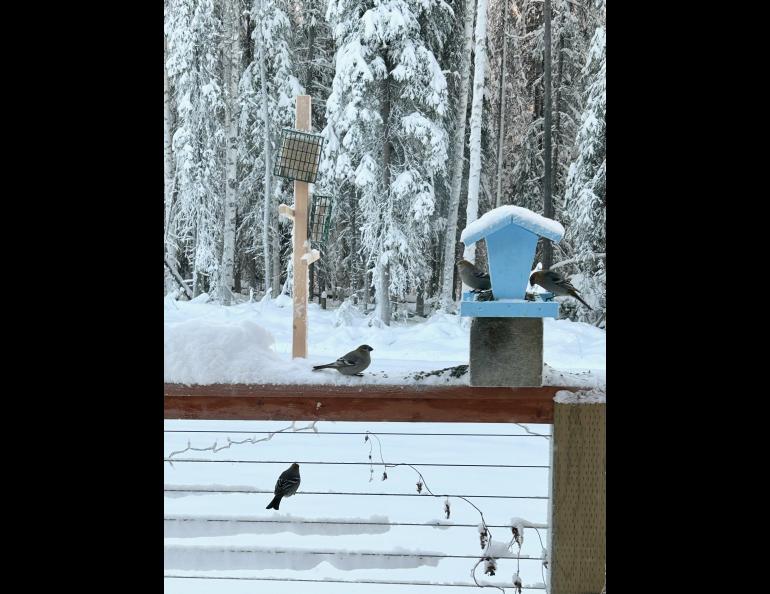
Our homesite is filled with white-winged crossbills, Swainson’s thrushes, dark-eyed juncos, ruby-crowned kinglets, yellow-rumped warblers and pine grosbeaks. The grosbeaks, the males in red and females in yellow, always seem to arrive at the feeder in pairs.
Last winter I saw a snow bunting walking in our dog yard, not far from curious canines Fleetwood and Seger.
From down in the creek we hear Wilson’s snipe. Above the creek we see a circling red-tail hawk that nests nearby.
Like many around Fairbanks, we look skyward at home to see and hear Canada geese and sandhill cranes in formation.
And always the ravens.
I can't imagine living in a place without birds, especially in the winter. It’s a joy to sit in the limited daylight on a weekend to see who shows up. In a few months, we’ll put the feeders away and listen for the first American robin of spring.
Winter’s birds will have left us, but spring’s annual arrivals will fill the time.
Since the late 1970s, the University of Alaska Fairbanks Geophysical Institute has provided the Alaska Science Forum column free in cooperation with the UAF research community. Rod Boyce works in the Geophysical Institute public information office.