



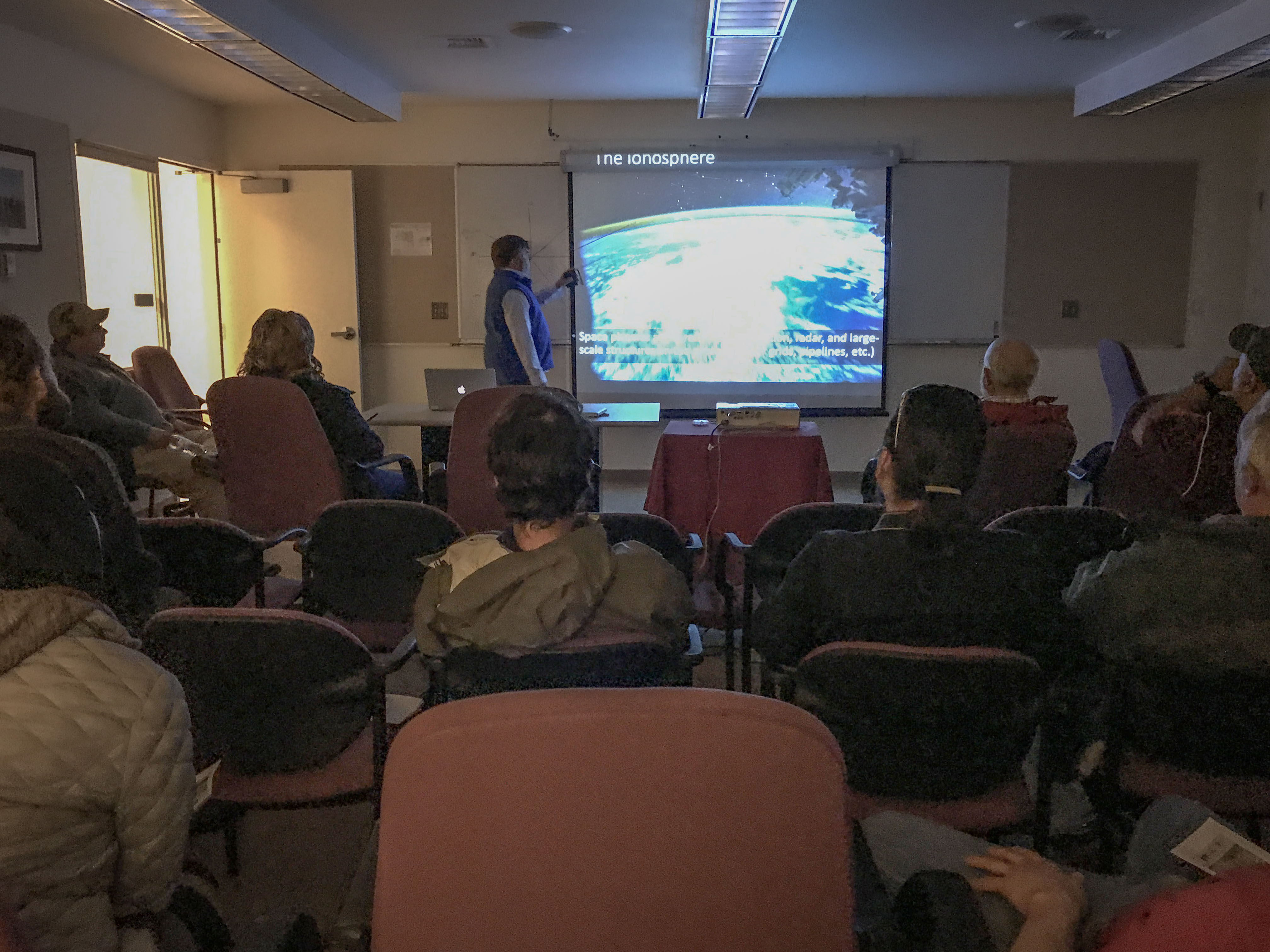
Remembering Chris Fallen
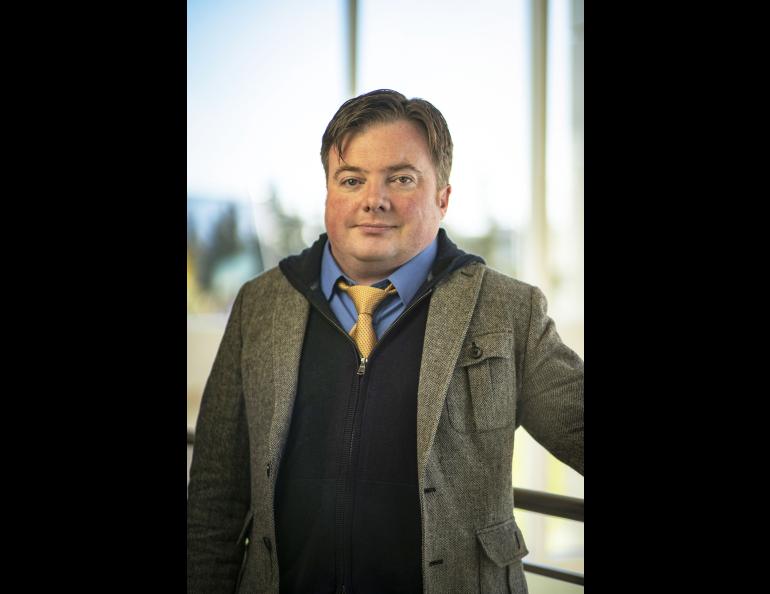
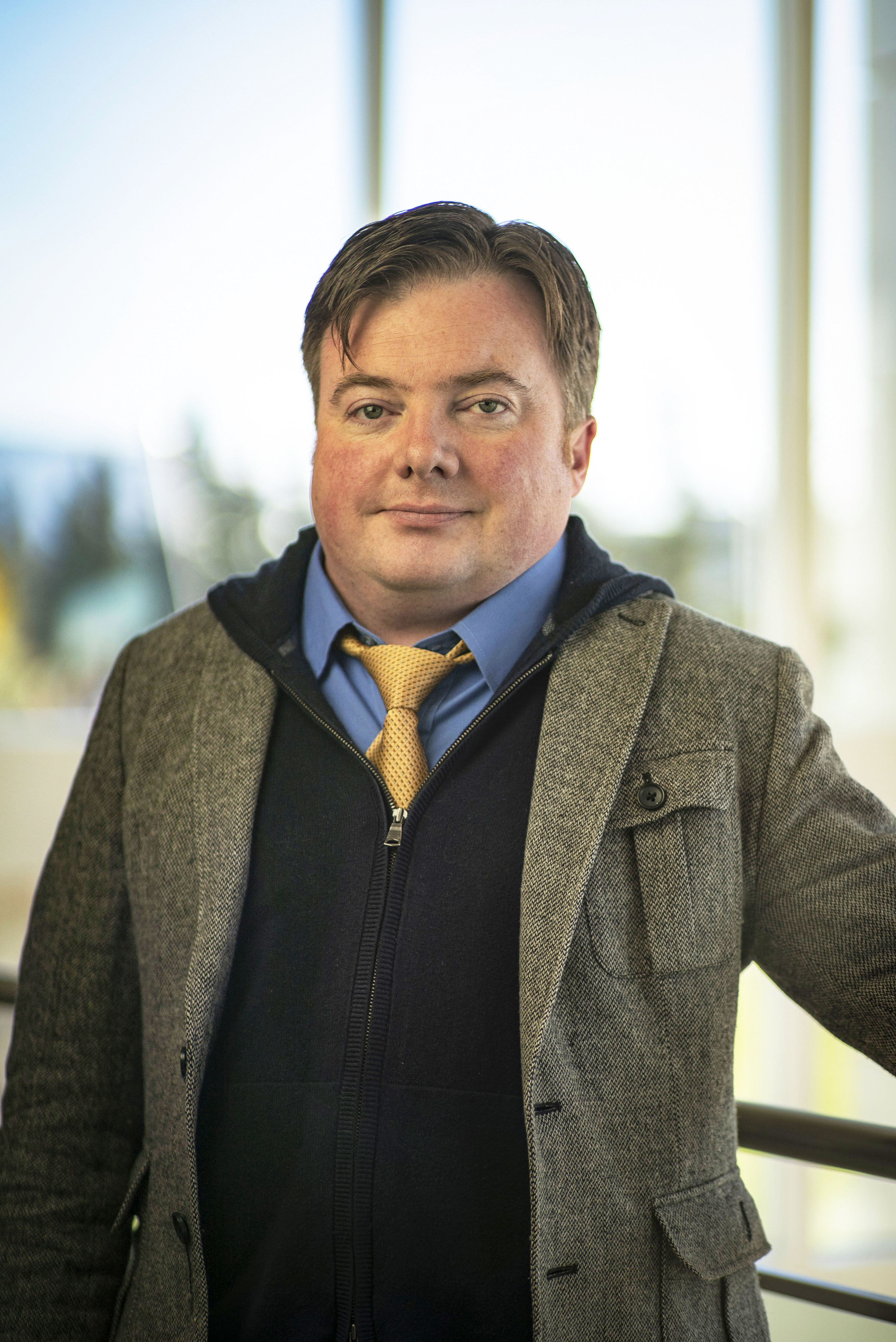
Former Geophysical Institute colleague Chris Fallen died at his home in Albuquerque, New Mexico, earlier this month.
Fallen’s more than 14-year affiliation with UAF and the Geophysical Institute began when he came to Fairbanks as a doctoral student in 2004 after completing a Master of Arts in mathematics at the University of Kansas and Bachelor of Science at Fort Lewis College in Colorado. He completed a Ph.D. in space physics at UAF in 2010, working with Professor Brenton Watkins as his adviser.
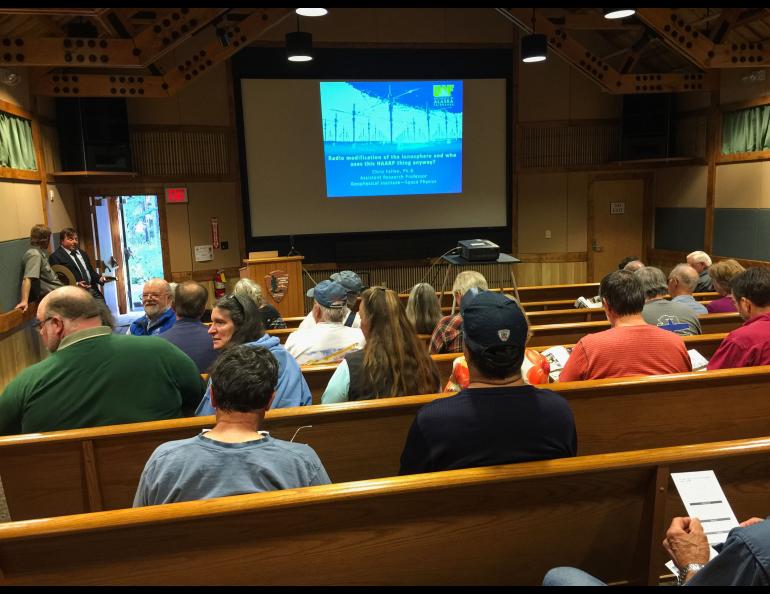
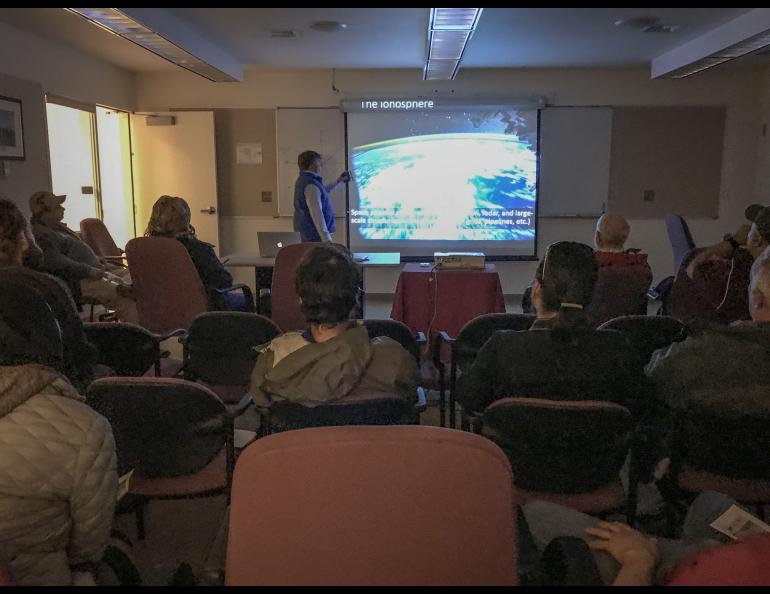
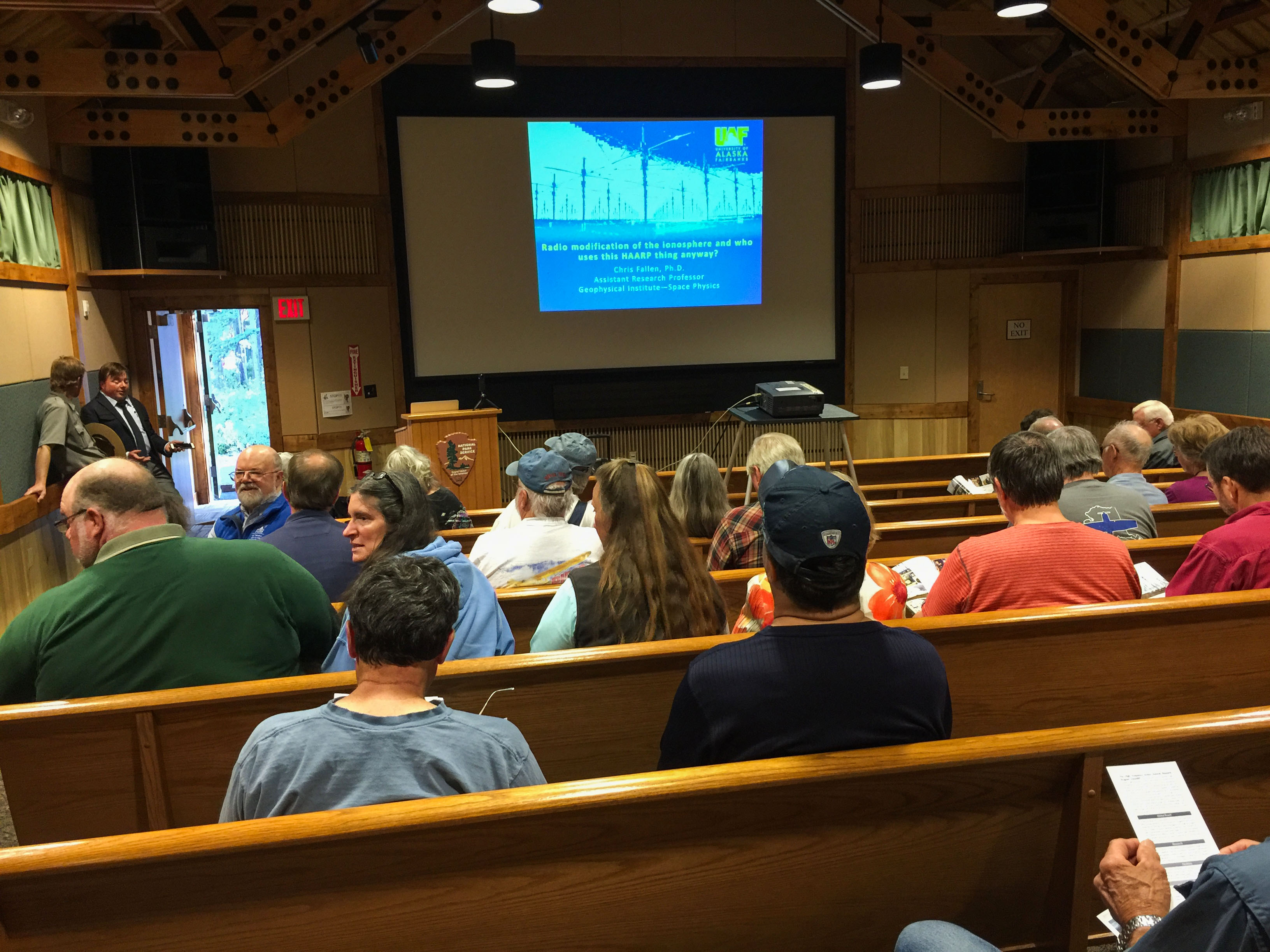
As a graduate student, Fallen worked at the Arctic Region Supercomputing Center at UAF, where he conducted computational research on projects for Watkins. After graduation he eventually was promoted to research associate professor of space engineering physics at ARSC, where he remained until 2015 when his position moved to the Geophysical Institute. From March 2018 to March 2019 Fallen was chief scientist at HAARP.
During his time at UAF, Fallen was active in governance, serving as senator and as president of the UAF Faculty Senate as well as chair of the University of Alaska Faculty Alliance. Before he moved to Faculty Alliance, the UAF Faculty Senate passed a resolution of appreciation that noted his dry sense of humor “enlivened Senate meetings while reminding everyone of the need to treat people kindly and with respect.” The resolution also noted that he was an excellent facilitator who always made an effort to bring everyone’s voices into the conversation in a productive way.
While at UAF, Fallen taught an introductory class for new engineering students that covered MatLab and C programming languages.
“When he was with ARSC he became an excellent software resource person in Matlab programming for all users at ARSC,” Watkins said. “He was sent to the Mathworks company that developed Matlab by ARSC to further his skills.”
While at UAF Fallen published an important paper using Poker Flat Research Range radar data to determine upward heat fluxes out of the ionosphere. Another journal publication using HAARP and satellite data showed for the first time how high-power ionospheric modification creates ionization that exits upward out of Earth's atmosphere-ionosphere, Watkins said.
After leaving UAF in 2019, Fallen held positions as senior research physicist at the Air Force Research Laboratory in New Mexico and most recently was chief scientist for Fourth State Communications based in Cheyenne, Wyoming. He also served as adjunct instructor in recent years while at AFRL through Embry-Riddle Aeronautical University in Florida, where he taught remotely, Watkins said.
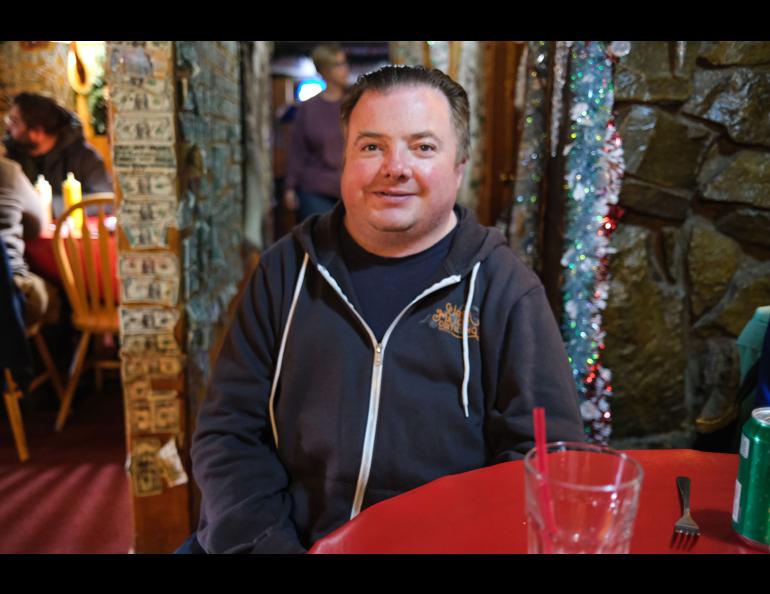
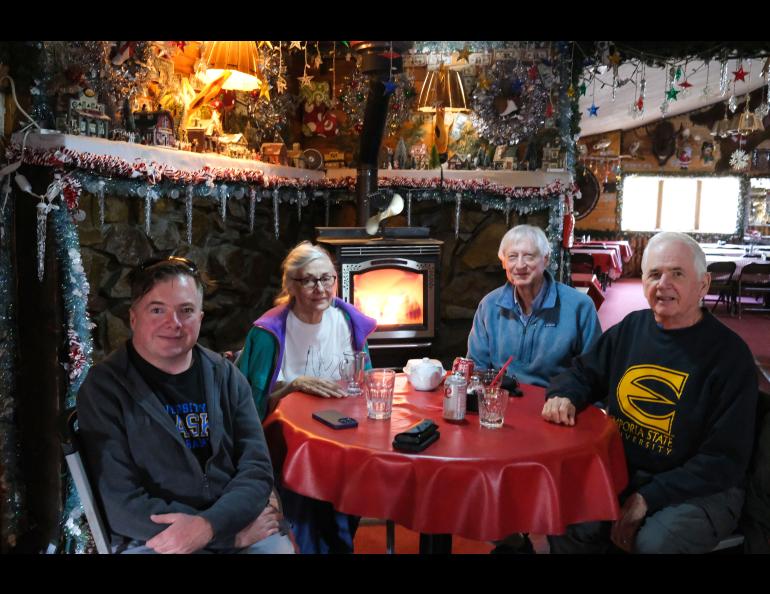
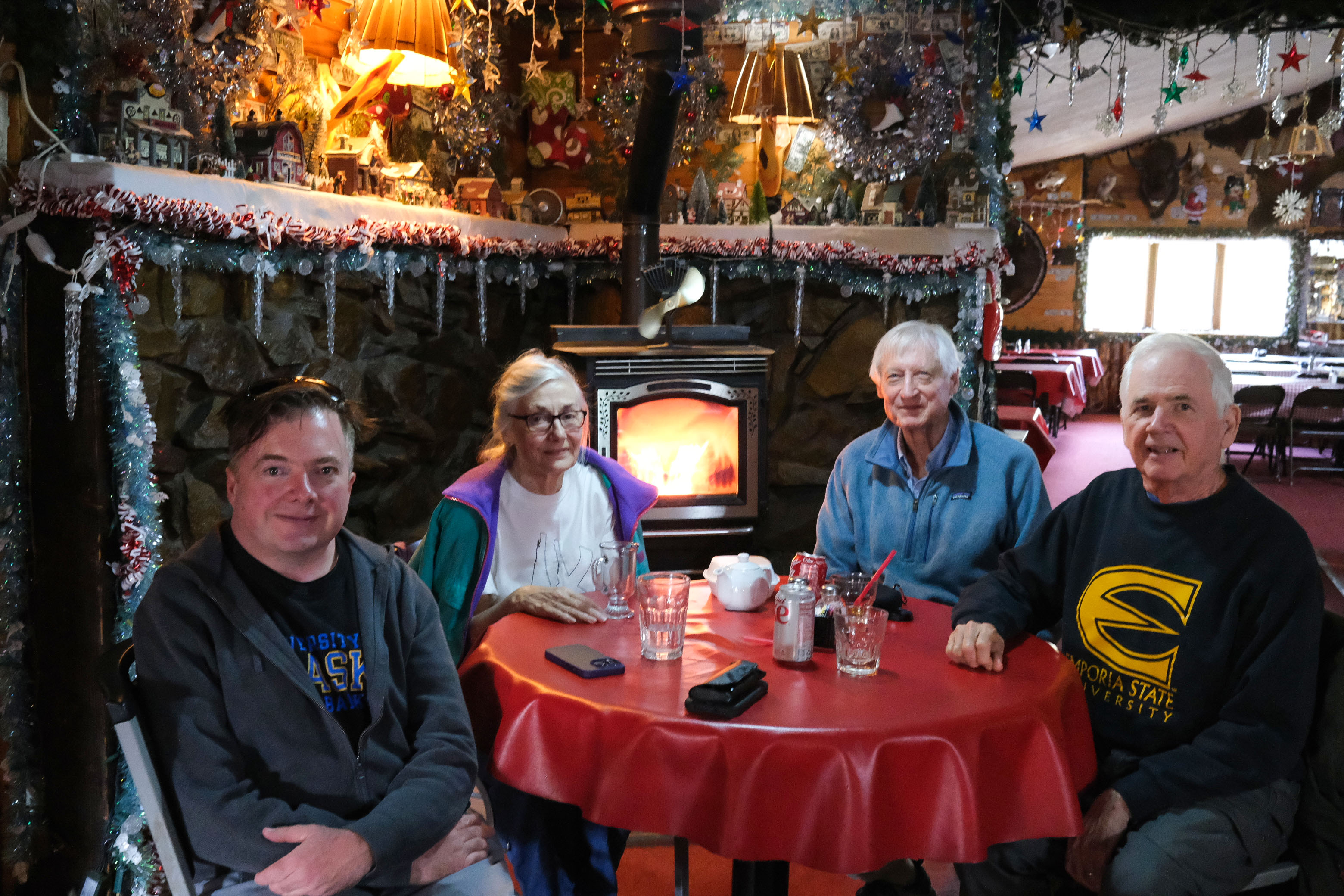
Fallen maintained a strong affection for and connection to Alaska. He and his dad, Ray Fallen, returned to Fairbanks every summer to revisit favorite haunts like Chatanika Lodge and Hoodoo Brewing Company and rekindle relationships with friends and colleagues.
Funeral arrangements are pending and will be announced at a later date.