
Remembering Gerd Wendler
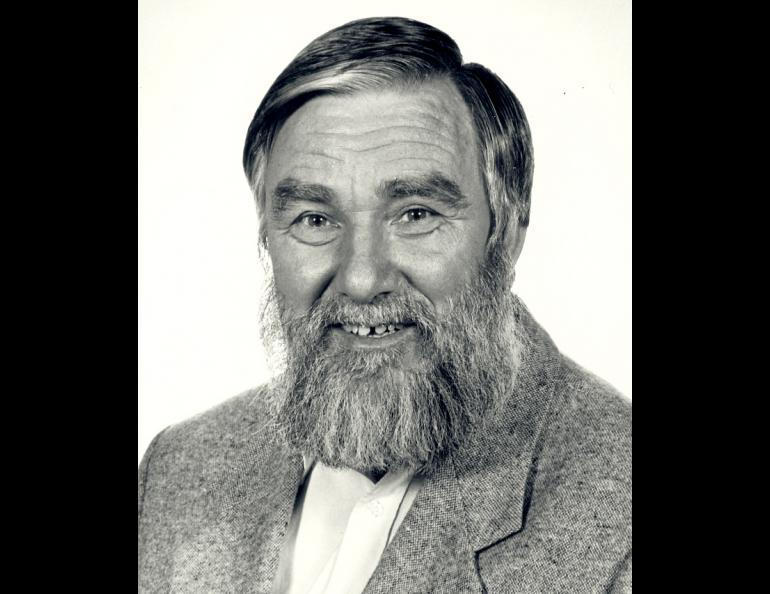
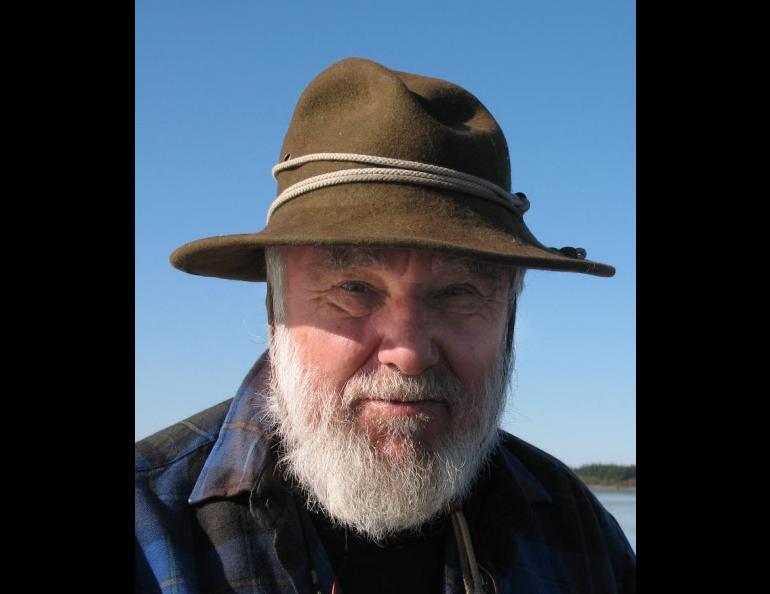
Gerd Wendler, professor emeritus at the Geophysical Institute, died Wednesday, Oct. 13, following a bout with cancer.
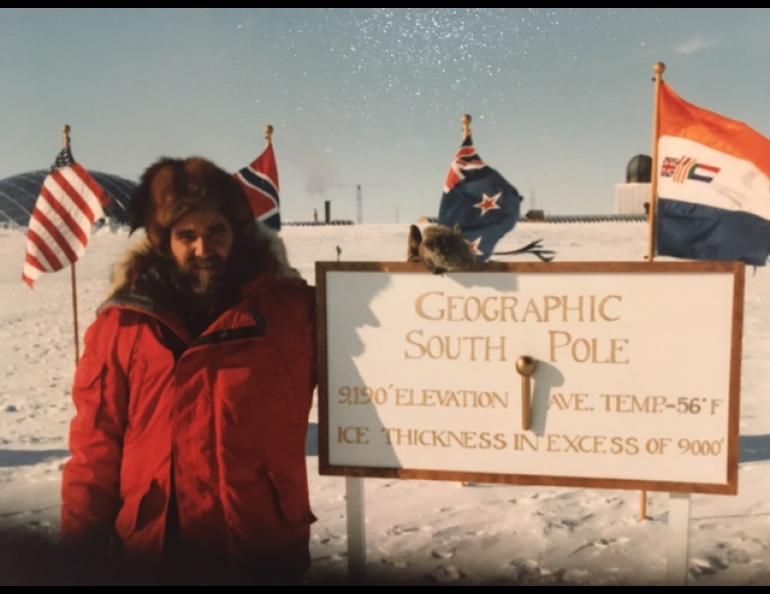
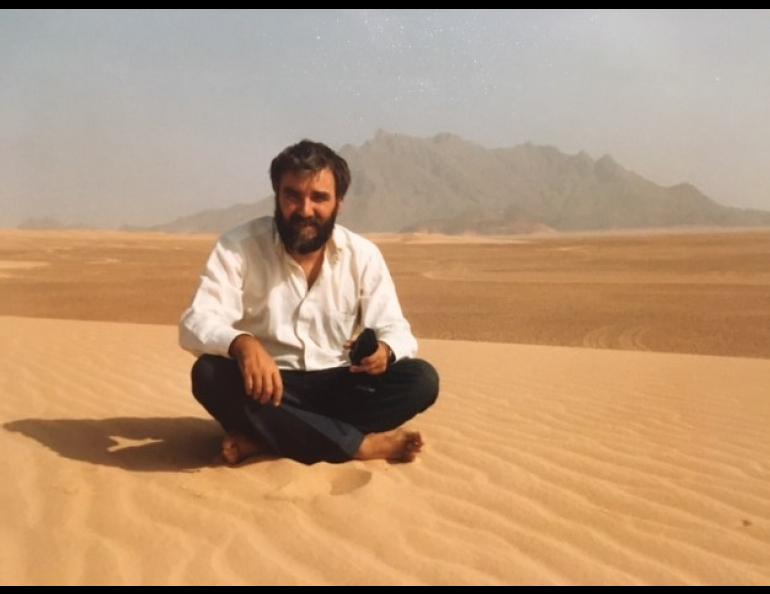
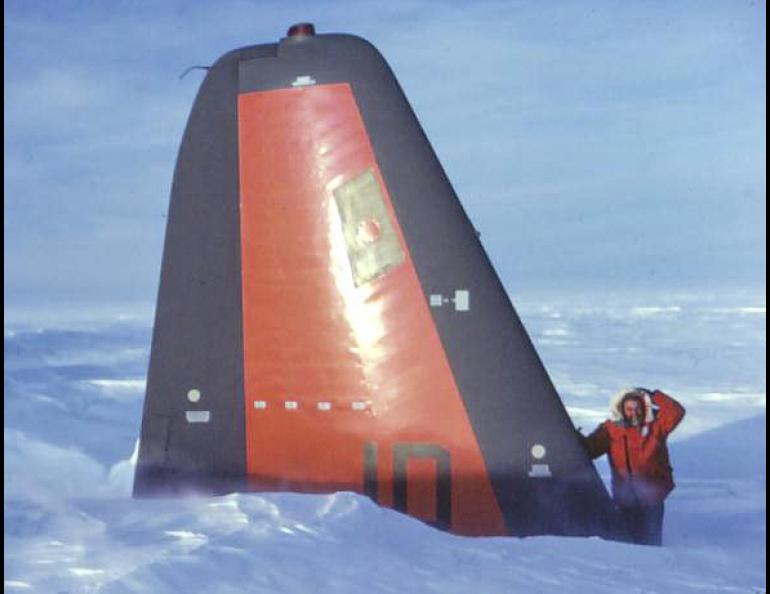
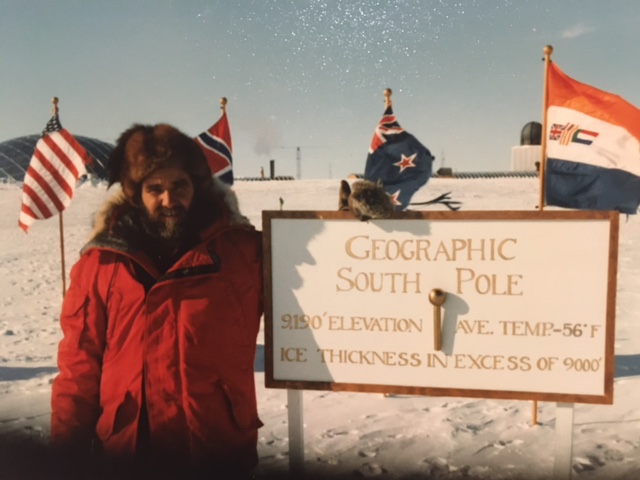
Gerd was born in Hamburg, Germany. He received a Ph.D. in atmospheric science in 1964 from the Leopold Franzens University, Innsbruck, Austria. In 1967 Keith Mather, at that time director of the GI, offered Gerd a permanent position as an assistant professor. His field of interest was climatology and glacio-meteorology with special emphasis on the polar regions, both the Arctic and Antarctica, on which topics he published widely. The university granted him Professor Emeritus of Geophysics in 1999, but he continued to direct the Alaska Climate Research Center until 2017. One of the accomplishments lauded in his emeritus resolution was his work with a French team installing a network of automatic weather stations on the Antarctic ice sheet which resulted in documentation of some of the coldest and windiest conditions ever recorded on earth.
In an interview published on the website of the American Museum of Natural History several years ago, Gerd discussed his work.
“Often my research focuses on the winds at the poles, especially katabatic winds in Antarctica. Antarctica is well known for its ferocious winds. Because of the force of gravity, dense, cold air flows from the high polar plateau in the middle of the continent down toward the coast, just like a stream or creek. The landscape also contributes to the wind — landforms can actually channel the airflow and force the winds to converge; this makes the winds even stronger. These intense winds, once they reach the coast, are called katabatic winds. Wind speeds can increase from quiet conditions to 40 mph over a five minute period!”
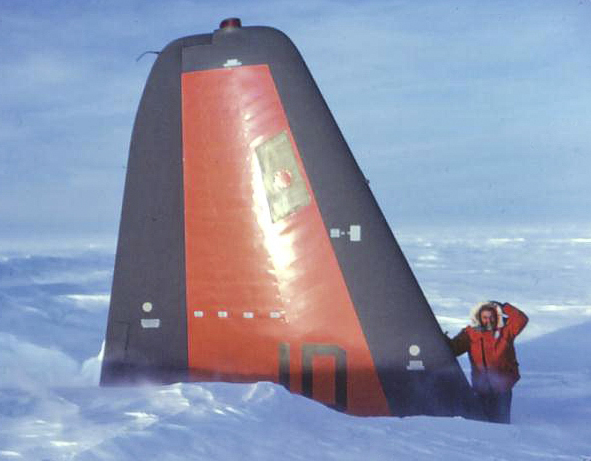
A rock spur in Victoria Land, Eastern Antarctica, was named after Gerd Wendler by the U.S. Advisory Committee on Antarctica Names, or US-ACAN, in 2005. He was a U.S. Antarctic Program member in an international collaboration among France, Australia and United States to study katabatic winds and their interaction with sea ice at Adélie Coast and George V Coast during several field seasons between 1979 – 2001
In Gerd’s obituary, his family said that he will always be remembered for his hearty laugh and mischievous sense of humor.
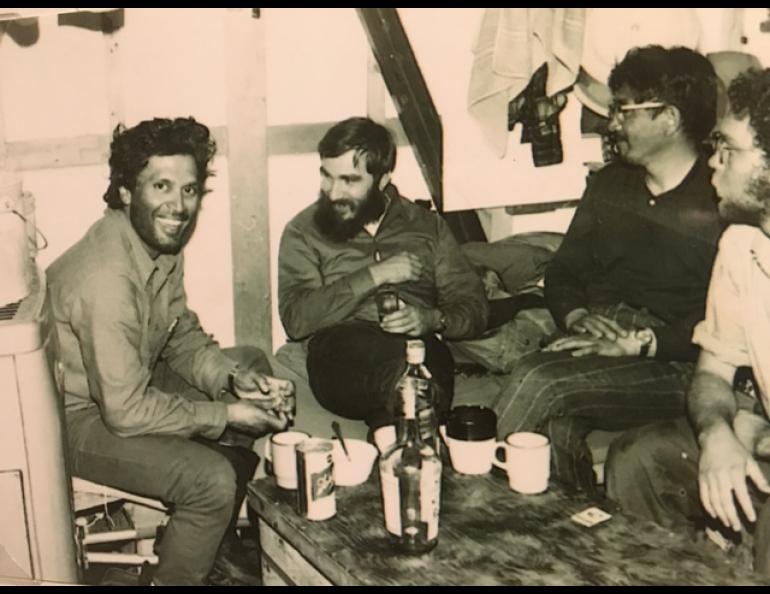
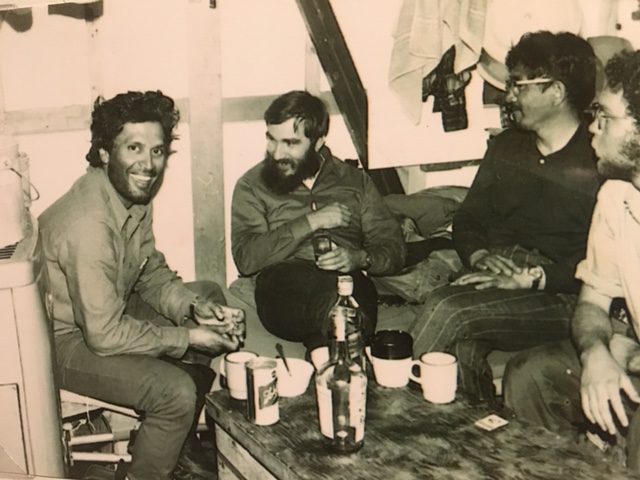
“He was incredibly bright and thoroughly enjoyed winding up his loved ones and friends. He was a very social character that enjoyed entertaining with dinner parties and regaling people with stories. He made many good friends over the years and was extremely proud of his family. He was unique in so many ways and will truly be missed.”
A few remembrances
Syun-Ichi Akasofu: Gerd was a very independent thinker, but yet he worked well with many people at GI and elsewhere. He was one of the most crucial persons among a very diversified atmospheric science group at GI, knowing the history of its development. When I needed Alaskan climate and weather, I relied on his information. When we ran into each other during the last ten years or so we always chatted for several minutes, exchanging our opinion on climate change. I miss him.
Martin Stuefer: It was Gerd who brought me to Alaska. He hired me as a postdoc 20 years ago, in summer 2001. Gerd graduated from the University of Innsbruck in Austria. I also studied and graduated there, and it was one of my professors and a friend of Gerd who told me about Gerd looking for a postdoc, and that I should apply. Gerd authored more than 150 papers on polar weather and climate, and most remarkable, besides other exciting projects, he was able to receive continuous funding for his research in Antarctica for over 23 years. Just about a month ago, he stopped by in his office here at the Geophysical Institute and mentioned that he would like to write three more papers about Alaska's climatology.
Gerd was always a "straight shooter," which sometimes did not help his career and it could puzzle colleagues within the GI and the group. But in the long run it made life so much easier. You always knew where you stood, and with this honesty and his love for social gatherings, especially at his house, he made a lot of friends. Many funny conversations and stories happened at the always super nice dinners at Wendler's.
Martha Shulski: I took a climate class with Gerd in 1996 and then worked for/with him from 2002 to 2009. My first ‘real’ job after my Ph.D. was with him. When I got that job, one of the first things he told me was, “I’d like you to write a Climate of Alaska book.” So off I went. He let me craft the job I had and make it what I wanted and thought was best. The ACRC was rather small at the time.
I would describe him as a European gentleman. Fun-loving. He thoroughly enjoyed good conversation with friends and colleagues, good food, the outdoors and anything having to do with polar science. I stayed at his cabin in Manley Hot Springs during both winter and summer and went to many dinner parties he and his wife Ruth hosted. Gerd holds a special place in my heart.
Uma Bhatt: I was very saddened to hear of Gerd’s passing and it really feels like an end of an era. He was the last of the ‘old guard’ of Atmospheric Scientists that still sat on our floor. I will always fondly remember the wonderful cozy dinner parties that he and Ruth hosted. David and I learned so much about Alaska life, which was very important for our education as recent arrivals. They served us bear that Gerd hunted and unforgettable smoked salmon. Gerd told us amazing stories about his life in Alaska that I will treasure. His office door was always open for a chat about a variety of topics and he was alway ready to share a hearty laugh. I feel fortunate that I got to know Gerd at UAF. He will be missed.