
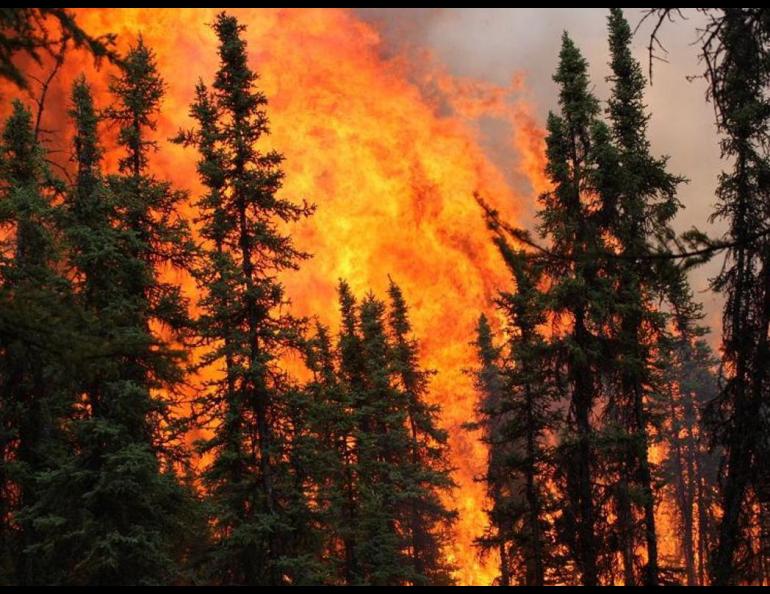
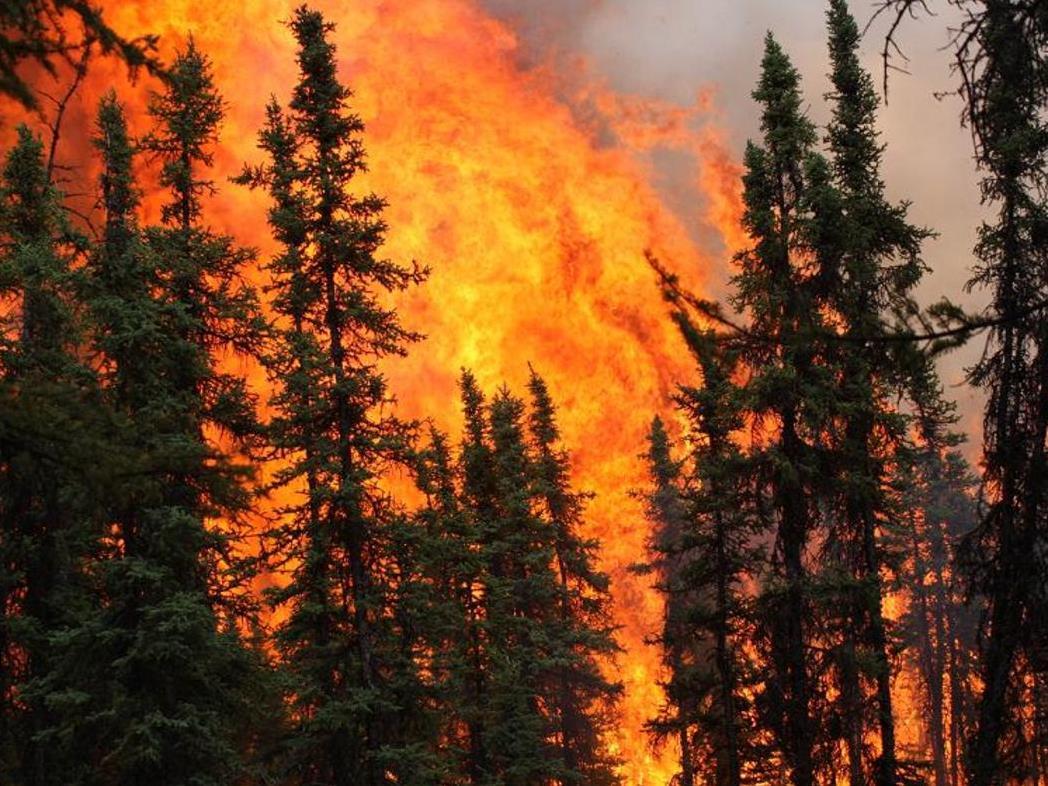
Wildfire in the Interior: Where to find the information you need
Maybe it’s time we should think about freshening up our emergency plans, take a look at sources for information and pack the “GO!” bag?
“The current wildfire activity is indeed bad, and scary given that there is no change to a more humid weather situation (forecast) at least for this week,” said Martin Stuefer, Alaska State climatologist and director of the GI’s Alaska Climate Research Center. One of many resources available to Interior residents is the UAFSmoke map published online and maintained by his unit. One of the particularly useful data streams in the UAFSmoke website is the forecasts of particulate matter in the smoke resulting from wildfires.
“Wildfire smoke includes of course more than particulate matter, but it is especially PM2.5 that people care about. UAFSmoke is updated hourly, and the smoke forecast model is running daily.”
More resources
Ready, Set, Go! A national program called “Ready, Set, Go” provides a tool to help residents be prepared in case they need to evacuate.
FNSB Air Quality Conditions: "The Fairbanks North Star Borough will experience highly variable levels of forest fire smoke, (PM2.5 fine particulate), as smoke from forest fires in the Interior blow in and out of the Borough area." www.fnsb.gov/334/Air-Quality
Alaska Cooperative Extension wildfire resources: Information about how to maintain defensible space, modify your home for fire protection, landscape for fire protection and provide an effective water supply, and what to do when faced with a wildfire here.
The Alaska Climate Research Center's UAFSmoke map.
Alaska Wildlands Fire Information provides information about wildfires across the state here.
The Alaska Interagency Coordination Center Daily Situation Report is cast in reasonably plain language and is the primary source for info on specific fires. Download a pdf here. This link is static, in the sense it will always return the most recent situation report. However, this product is usually updated once per day (early morning), so in rapidly changing situations (like this weekend) it can become out of date quickly, especially for specific fires.
The Alaska Interagency Coordination Center Wildland Fire Dashboard here is slightly more complex but it is a good place to get current lightning information. Note that this is bandwidth heavy and will not work on all mobile devices.
Alaska's Changing Wildfire Environment offers background on Alaska and wildfire, from IARC, here.
Rick Thoman’s Twitter resources: “I regularly post about Alaska wildfires on my (@AlaskaWx) Twitter feed. These can be accessed from anywhere (no Twitter account needed) through the ACCAP webpage (down at the bottom). To get just my tweets about Alaska wildfire and impacts, from the Twitter website search for: "AlaskaWx #akwx #wildfire OR #wildfires" (no quotes in the search). Again, no Twitter account needed. Agencies on Twitter posting about Alaska Wildfire include Alaska Fire Service: @BLM_AFS & Alaska State Division of Forestry @AK_Forestry.”
Wildfire Is Transforming Alaska and Amplifying Climate Change: October 2021 article in Scientific American magazine.