
-
1
Two rockets set to launch from Poker Flat Research Range
Two sounding rockets will launch from Poker Flat Research Range as early as next week on separate missions studying some of the smallest particles in space and the deaths of stars.
A NASA mission will study how cosmic dust forms, and a University of Colorado Boulder mission will seek to learn more about dying stars. Both NASA-funded missions are follow-ups to earlier launches from White Sands Missile Range in New Mexico.
The launch window is 9:30 p.m. to 1:30 a.m. daily from Monday, Oct. 19, through Oct. 23. The rockets could launch as early as Monday because neither mission requires clear skies or auroral activity.
Each mission will use a two-stage Black Brant IX sounding rocket capable of carrying scientific instruments to an altitude of about 180 miles. Sounding rockets travel into space but do not enter orbit around Earth.
The University of Alaska Fairbanks Geophysical Institute owns Poker Flat Research Range, located at Mile 30 Steese Highway. It is supported by NASA’s Sounding Rocket Program Office, which is funded by the agency’s Heliophysics Division.
To receive launch updates, text PFRRLAUNCHES to 866-485-7614. Updates and a live video feed will also be available on the Poker Flat Facebook page.
DUST III
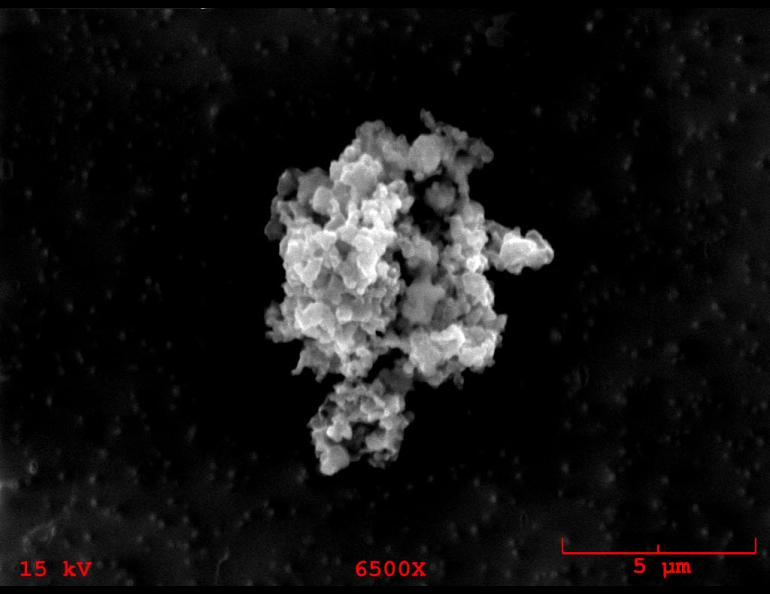
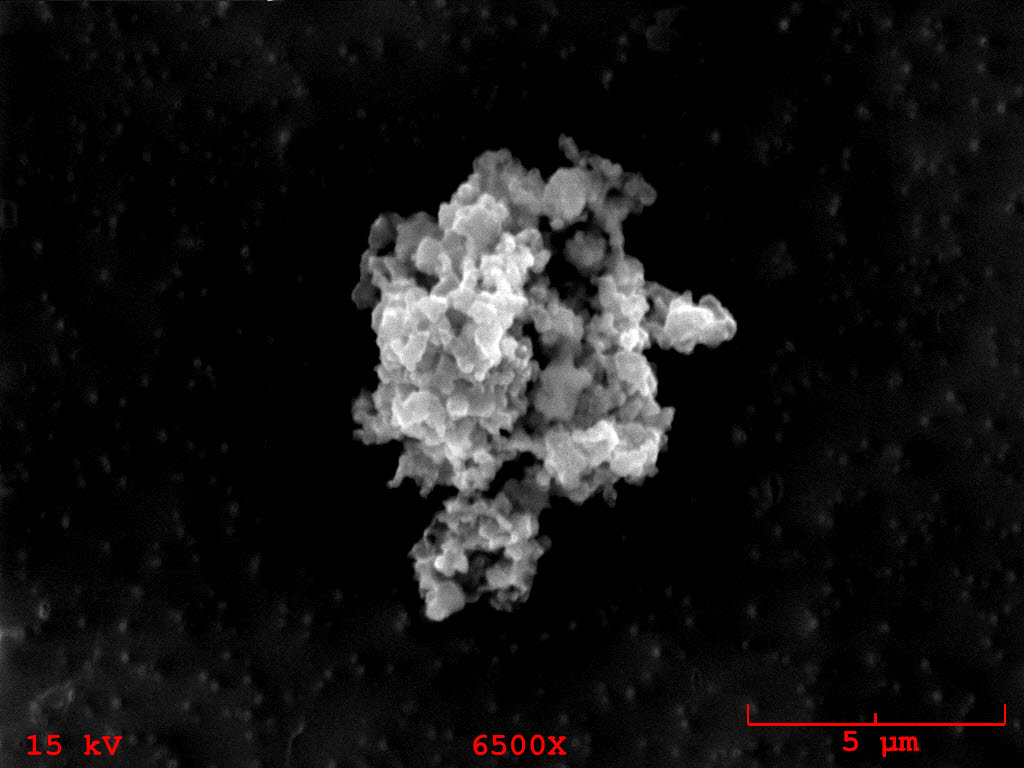
The Determining Unknown yet Significant Traits, or DUST, mission will launch for a third time to study how atoms and molecules released by dying stars come together to form tiny grains of cosmic dust.
This cosmic dust is far more important than the dust collecting around your home.
“Without cosmic dust, you don’t have any terrestrial planets,” said Joe Nuth, the lead scientist for the DUST program. Nuth is a planetary scientist at NASA’s Goddard Space Flight Center in Greenbelt, Maryland. “Without dust, there’s no life on Earth because there wouldn’t be an Earth.”
Material released by stars travels through the interstellar medium, the mostly empty space between stars that contains small amounts of gas and dust. Some of that material eventually becomes part of vast clouds of gas and dust, where chemical reactions occur, including on the surfaces of dust grains.
The size, appearance and makeup of dust grains affect how they stick together and grow into larger clumps. Over time, some of those clumps can help form comets, asteroids and planets.
“Cosmic dust controls a lot of the dynamics in the universe,” Nuth said.
DUST III will carry a tiny laboratory with silicate dust grains into space to study how they form and grow during a few minutes in near-weightless conditions. Silicates are minerals containing silicon and oxygen.
The first two DUST launches took place in October 2019 and September 2020 in New Mexico. The DUST program is a collaboration between NASA and the Japan Aerospace Exploration Agency.
INFUSE II
The Integral Field Ultraviolet Spectroscopic Experiment, or INFUSE, mission is led by Brian Fleming, an astrophysics and planetary sciences research professor at the University of Colorado Boulder. The first INFUSE mission launched in October 2023.
The INFUSE program studies how stars release matter and energy during their lives and after they die.
“When they do that, they feed back that enriched material and that energy into the galaxy, which causes the next cycle of stellar evolution,” he said.
The first INFUSE launch studied the remains of an exploded star in the constellation Cygnus, the swan.
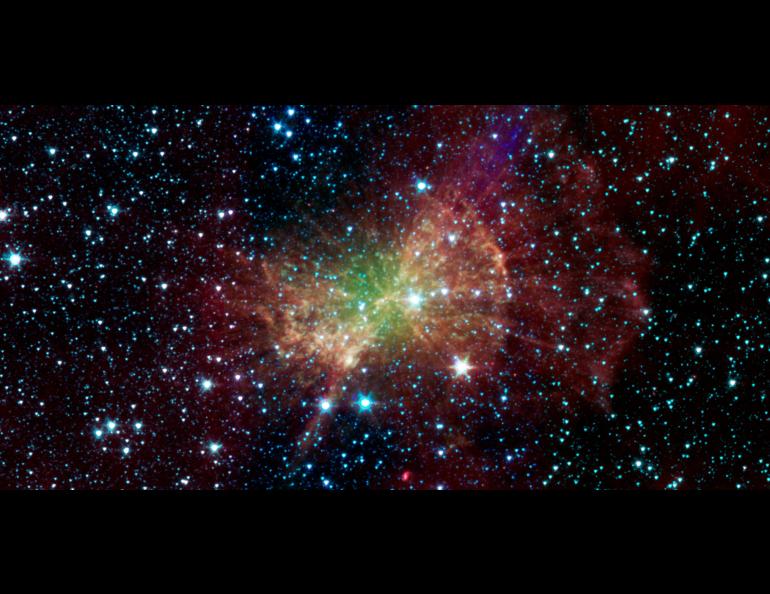
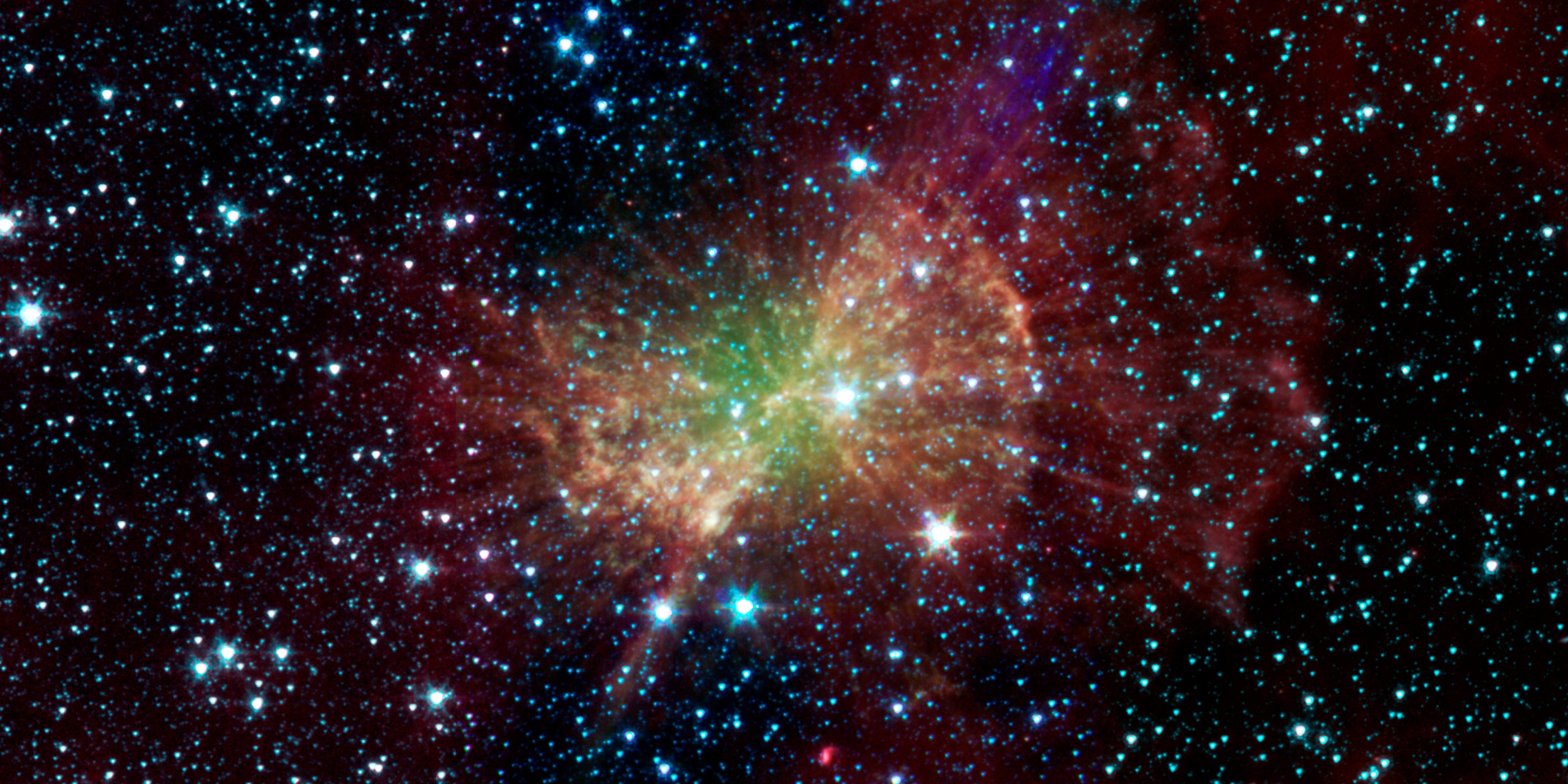
The next launch will focus on the Dumbbell Nebula, a cloud of gas released by a dying star once similar to our sun.
“It is a star that used to be quite like our sun but has since died and its outer layers shed off into a gas cloud that’s surrounding the core, or the white dwarf, remnant left behind,” Fleming said.
Fleming is also excited about the mission’s technology.
INFUSE II will carry an improved version of the first mission’s instrument, called an integral field spectrograph. Designed by Fleming and his team at the University of Colorado Boulder, the instrument measures far-ultraviolet light, which is invisible to the human eye.
The improved instrument can measure light from several locations across the nebula at the same time. These measurements will reveal how the gas is moving, what it is made of and how hot it is.
“It’s something of a pathfinder instrument for the next generation large flagship that NASA is studying called the Habitable Worlds Observatory,” Fleming said. “We want to demonstrate the new technology in our detectors, our mirror coatings and our optical design and show off the scientific capabilities.”
• Sarah Frazier, NASA Goddard Space Flight Center, sarah.frazier@nasa.gov
• Rod Boyce, University of Alaska Fairbanks Geophysical Institute, 907-474-7185, rcboyce@alaska.edu


