
Recent Posts
ACUASI successfully tests parachute delivery with new drone
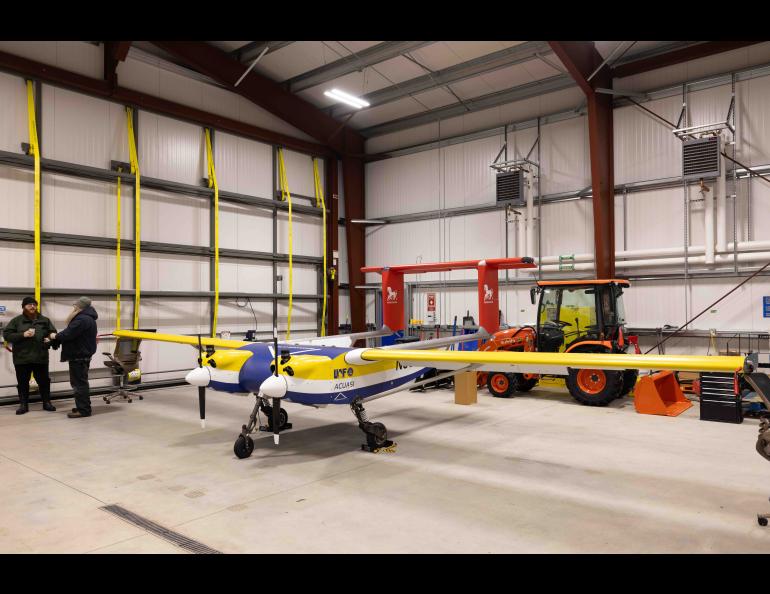
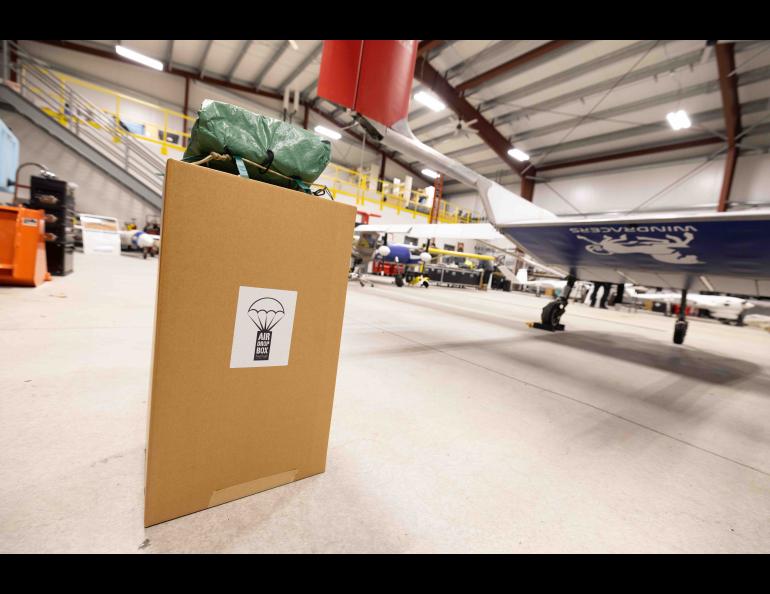
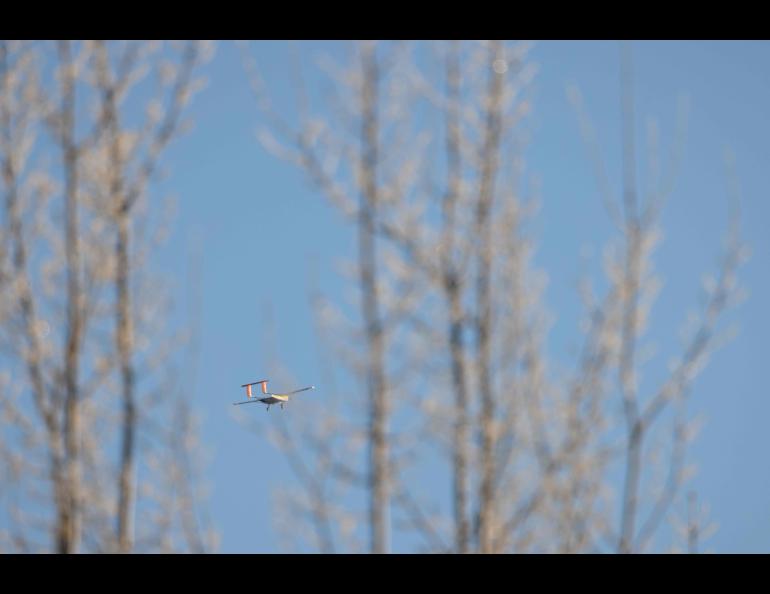
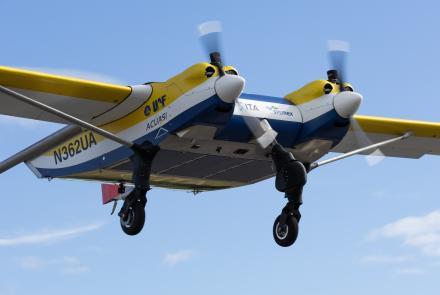
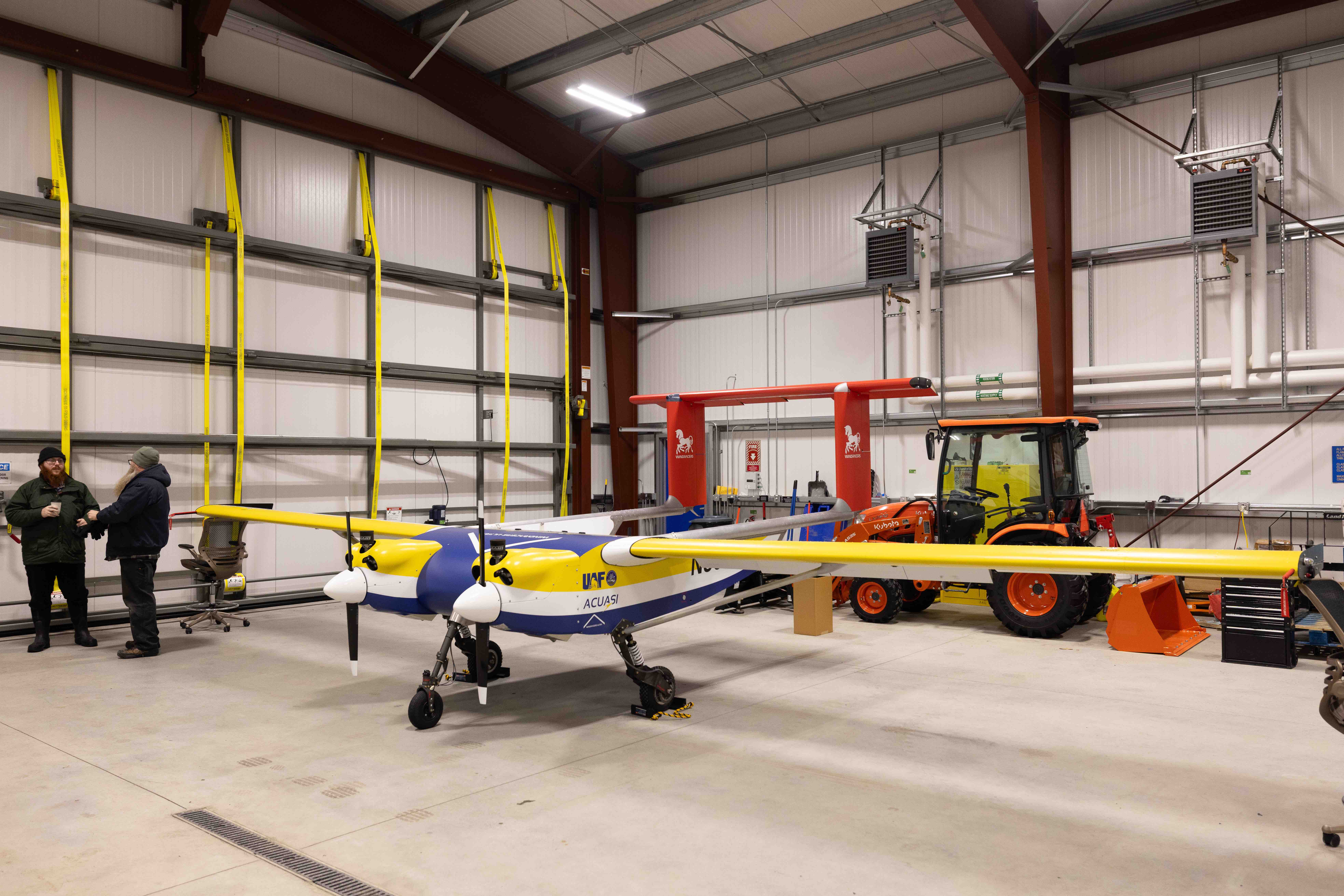
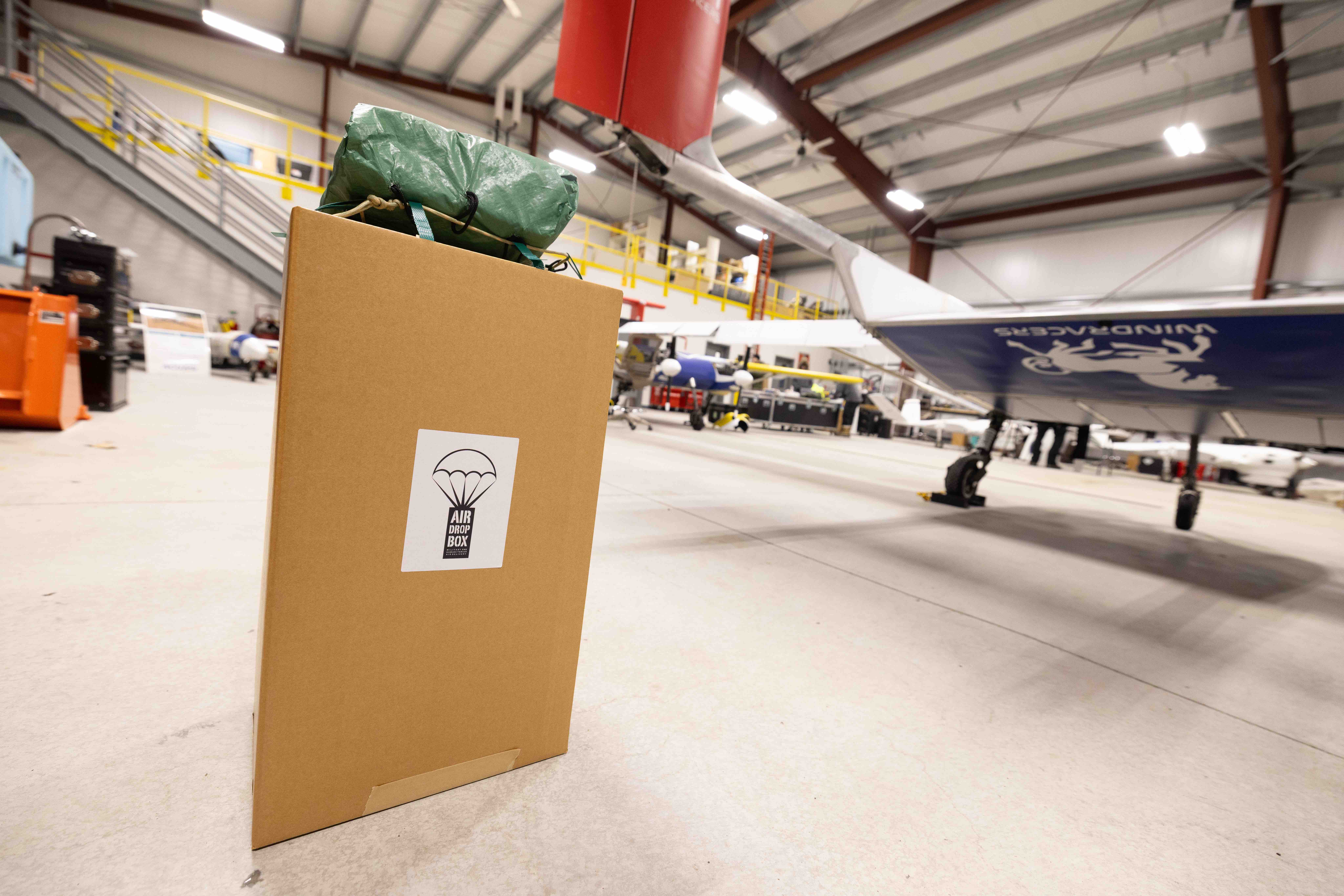
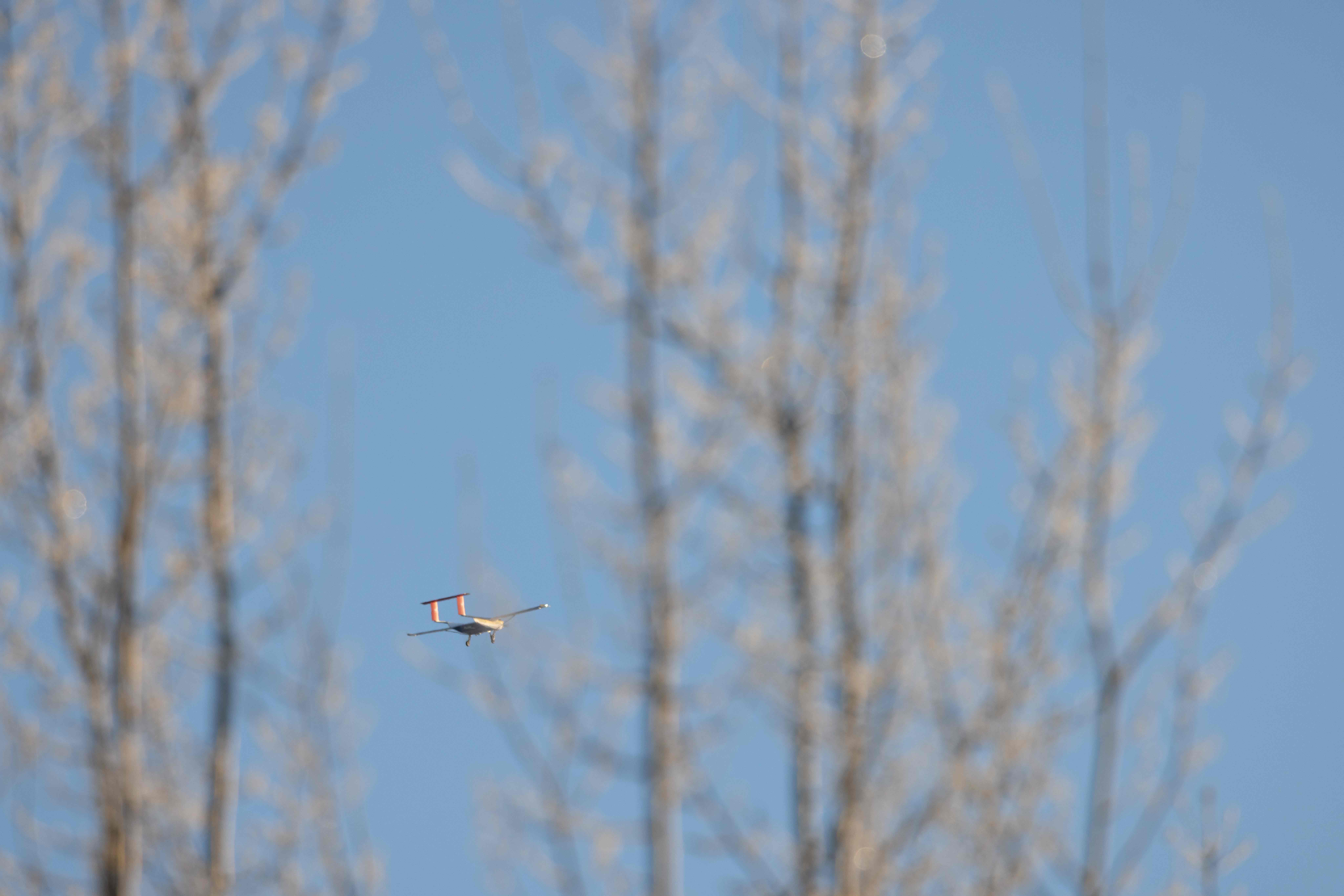
One of the University of Alaska Fairbanks’ two new twin-engine unmanned aircraft circled Nenana Municipal Airport, descended and turned toward a drop zone. Three medical payloads popped out of separate cargo doors in succession, drifting downward beneath their own parachute.
It was the first time dropping three payloads from the aircraft. The team from the Alaska Center for Unmanned Aircraft Systems Integration at the UAF Geophysical Institute had been increasing their ability with the two new Windracers ULTRA MKI.
The temperature on this day, Jan. 23, was 18 degrees Fahrenheit below zero. ACUASI previously conducted ground testing of the aircraft at 40 below.
“This is the coldest that they’ve ever done an operation at,” ACUASI Deputy Director John Robinson said of the aircraft.”
The test was an advancement in demonstrating the possibilities for using unmanned aircraft to deliver critical supplies to remote regions.
“This test is significant because we are able to fly this aircraft in winter in Alaska,” Robinson said. “When you couldn't normally send an aircraft, if the risk was too high, a drone has the ability to be able to go out and do these critical supply drops.”
The twin-engine ULTRA aircraft has a wingspan of 31 feet, a range of about 600 miles, a 200-pound cargo capacity and three cargo drop doors. It can fly from dirt, grass, ice or tarmac.
The ACUASI team trained with a Windracers crew in Wyoming and in Alaska. The aircraft arrived in Fairbanks Sept. 22, with the first test flight occurring Oct. 1 in Nenana.
ACUASI is the University of Alaska Fairbanks’ drone industry development program and is part of the UAF Geophysical Institute.
ACUASI, through UAF, is one of seven unmanned aircraft systems test sites established by the Federal Aviation Administration to develop and test drone technology. The goal is to safely incorporate unmanned aircraft into the National Airspace System.
“Being able to do these types of tests, even on a small scale, allows us to eventually get to a point where unmanned aircraft and crewed aircraft can fly safely together,” Robinson said.
• Rod Boyce, University of Alaska Fairbanks Geophysical Institute, 907-474-7185, rcboyce@alaska.edu


