
Recent Posts


Alaska climate report: March 2026 saw dangerous weather
March brought a series of dangerous and disruptive weather events across Alaska. Severe cold combined with powerful storms to affect communities statewide, according to the monthly summary from the Alaska Climate Research Center.
The Alaska Climate Research Center, which is a part of the University of Alaska Fairbanks Geophysical Institute, published its March summary earlier this month.
March began with blizzard conditions, deep snow and extreme temperatures stranding residents and travelers.
Residents of Denali Borough became isolated, and a storm trapped more than 150 people at a basketball tournament in Kaktovik.
New hazards emerged as the month progressed. A river ice rescue occurred near Fairbanks when a person broke through thinning ice on the Chena River. A fatal avalanche in the Chugach Mountains east of Anchorage highlighted ongoing snowpack instability.
“March showed how quickly conditions can stack up in Alaska,” said ACRC Director Martin Stuefer, who is also the Alaska state climatologist. “It was a month where the risks didn’t go away, they just changed form.”
“The month was unusual not just for the persistent cold, but for how uneven conditions were across Alaska,” he said. “Much of the state was significantly drier than normal, while places like Juneau saw record-breaking snowfall, highlighting how localized and contrasting impacts can be.”
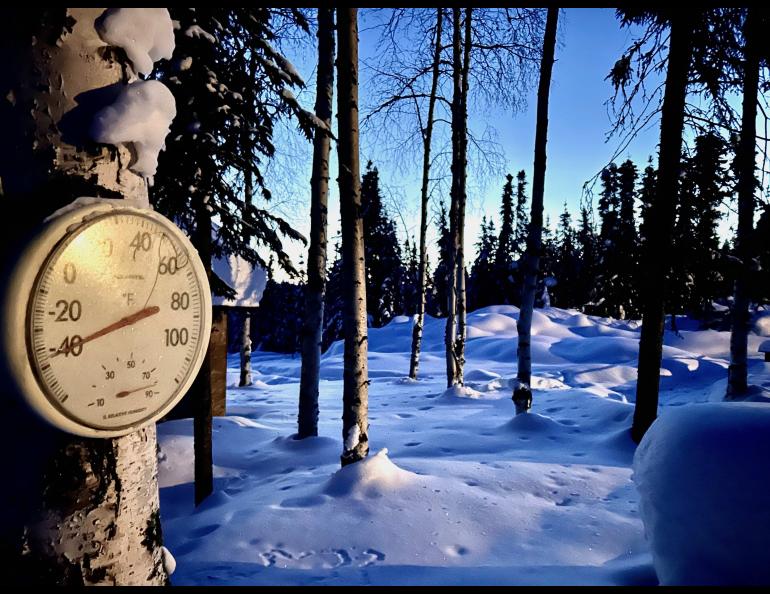
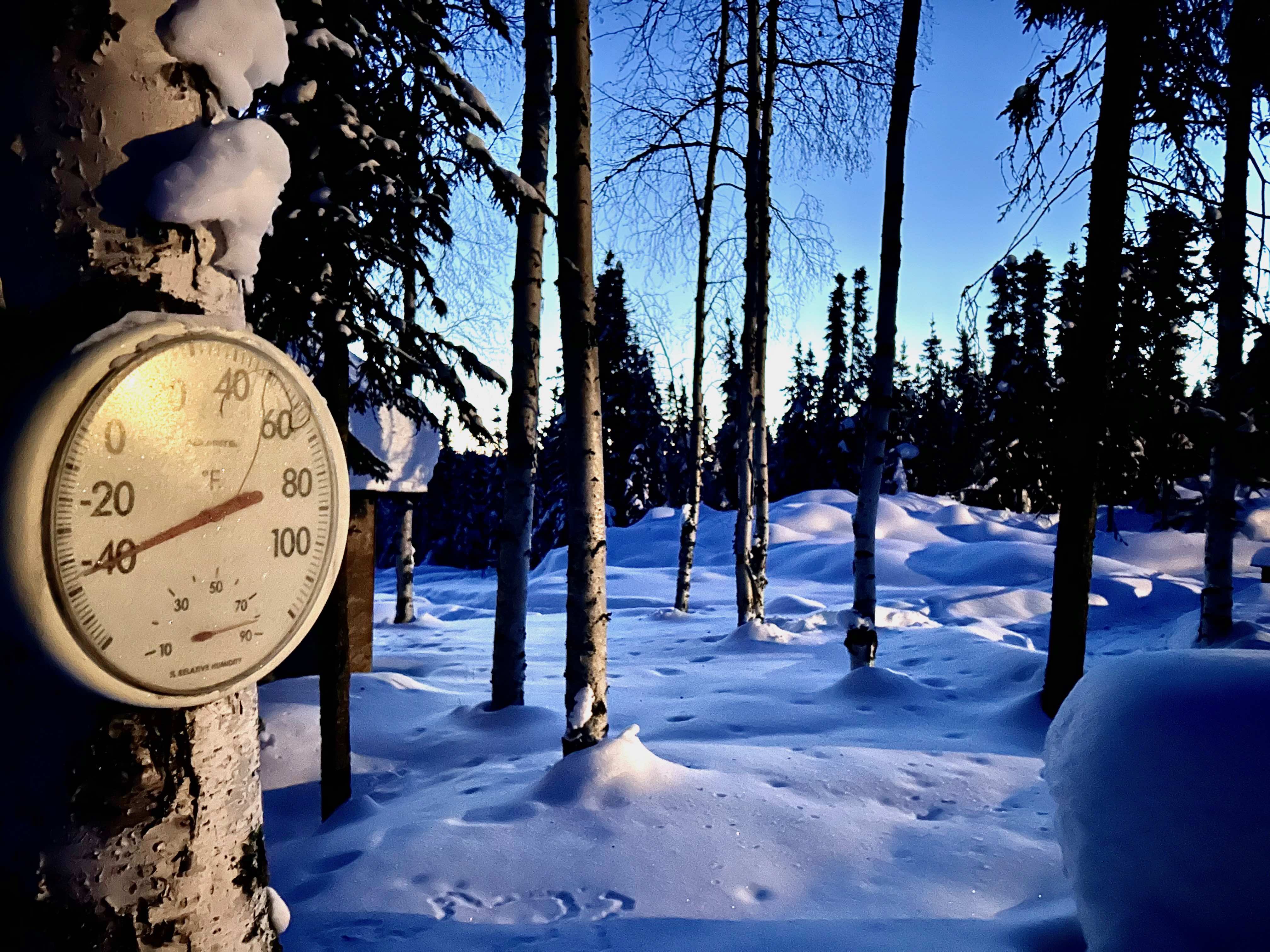
Temperature was one of the biggest stories of the month. Nearly every primary weather station in Alaska reported a colder-than-average March, with especially low temperatures in the Interior and Bristol Bay regions. Anchorage, Delta Junction, Fairbanks, Gulkana and King Salmon all recorded their coldest March on record.
Across the state, 12 of 19 stations averaged more than 10 degrees Fahrenheit below normal. Utqiaġvik was the only location warmer than average, at 3.5 degrees above normal, making it the warmest place relative to its typical March conditions. Ketchikan saw the smallest drop below normal, at 3.4 degrees, while all other stations were at least 7 degrees colder than average.
Day-to-day temperatures showed the same pattern. Many locations experienced long stretches of persistent cold, with only a few days above normal. The most extreme cold came early in the month, particularly in the Interior, where some areas dropped more than 30 degrees below normal and to temperatures near the 50s below zero. Locally, extreme winds dropped the temperatures to a minimum of minus 75 degrees considering wind chill.
Other March highlights:
• Juneau had its snowiest March on record with a total snowfall of 76.6 inches at Juneau International Airport. That is more than 600% of the 1991-2020 normal. The 2025-26 snowfall season also set a record for the Juneau airport, with 208.6 inches between Nov. 1 and March 31.
• Anchorage snowfall in March was 75% of the 1991-2020 normal, at 8.3 inches.
• March snowfall in Fairbanks was 50% of normal, at 3.3 inches. However, Fairbanks heads into breakup season with a well-above average snow pack, following record-breaking February snowfall.
• About 17% of the state was listed as abnormally dry in March. That is a slight decrease from February, but the extent and persistence of the dry conditions continue to warrant close monitoring as Alaska approaches wildfire season.
• Martin Stuefer, Alaska Climate Research Center, mstuefer@alaska.edu
• Rod Boyce, University of Alaska Fairbanks Geophysical Institute, 907-474-7185, rcboyce@alaska.edu


